
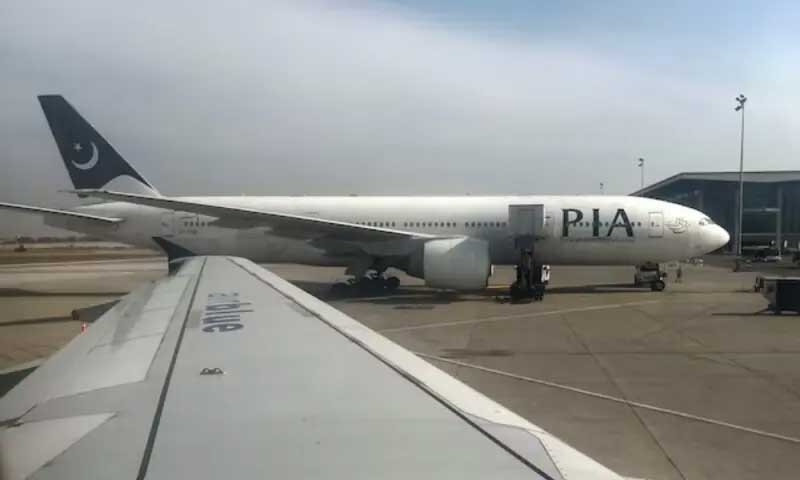
ISLAMABAD / DERA ISMAIL KHAN - The Pakistan Airport Authority (PAA), in coordination with the Ministry of Defence (MoD), has successfully completed the comprehensive rehabilitation of Dera Ismail Khan Airport, bringing the long-neglected facility back to full operational status.
🇵🇰 Another Milestone Achieved by Pakistan Airport Authority
- Eagle Eye (@zarrar_11PK) May 6, 2026
Dera Ismail Khan Airport has been completed rehabilitated and made functional after years of neglect.
PAA/ MoD are continuing their efforts to restore and rehabilitate dysfunctional airports around the country. pic.twitter.com/tkCHF7RbGv
The restoration marks the latest achievement in an ongoing nationwide effort to revive dysfunctional airports and enhance the country's aviation infrastructure.
A Long-Awaited Revival
The airport, which had remained largely non-operational for years due to neglect, aging infrastructure, and limited resources, has now been modernized to handle both civilian and special operational flights. The rehabilitation project included extensive upgrades to the runway, terminal building, navigational aids, and security systems.
Officials confirmed that the airport is now fully functional and ready to accommodate domestic flight operations, providing a critical transportation link for the people of Khyber Pakhtunkhwa's southern districts.
Strategic Importance
Dera Ismail Khan is a strategically located city near the border with South Waziristan and the newly merged tribal districts. The restoration of its airport is expected to boost regional connectivity, facilitate trade, and improve access for security forces and civilian administration alike.
The upgraded airport will also serve as an alternate landing facility for flights operating on the western route of the country.
Continuing Nationwide Efforts
The Pakistan Airport Authority, under the oversight of the Ministry of Defence, has been systematically restoring and rehabilitating dysfunctional airports across the country as part of a broader infrastructure revival initiative.
Similar restoration projects have been completed or are underway at several other non-operational airports, with the goal of expanding Pakistan's aviation network and reducing pressure on major hubs like Islamabad, Lahore, and Karachi.
Official Statements
In an official statement, the Pakistan Airport Authority confirmed the milestone:
"Dera Ismail Khan Airport has been completely rehabilitated and made functional after years of neglect. The PAA and Ministry of Defence are continuing their efforts to restore and rehabilitate dysfunctional airports around the country."
Aviation officials expressed confidence that the restored airport would serve the local population effectively and contribute to the socioeconomic development of the region.
Public Response
Local residents and civil society members in Dera Ismail Khan welcomed the development, noting that the restored airport would save them the long travel previously required to access air travel facilities in other cities.
Business leaders in the region also expressed optimism that improved connectivity would boost commercial activity and attract investment.
Looking Ahead
The PAA has indicated that additional dysfunctional airports are currently under review for rehabilitation. A phased approach is being implemented, prioritizing facilities with the greatest strategic or economic significance.
The successful restoration of Dera Ismail Khan Airport is seen as a model for similar projects across the country, demonstrating that neglected infrastructure can be revived through coordinated effort and sustained investment.

