📰 News Analysis & Summary
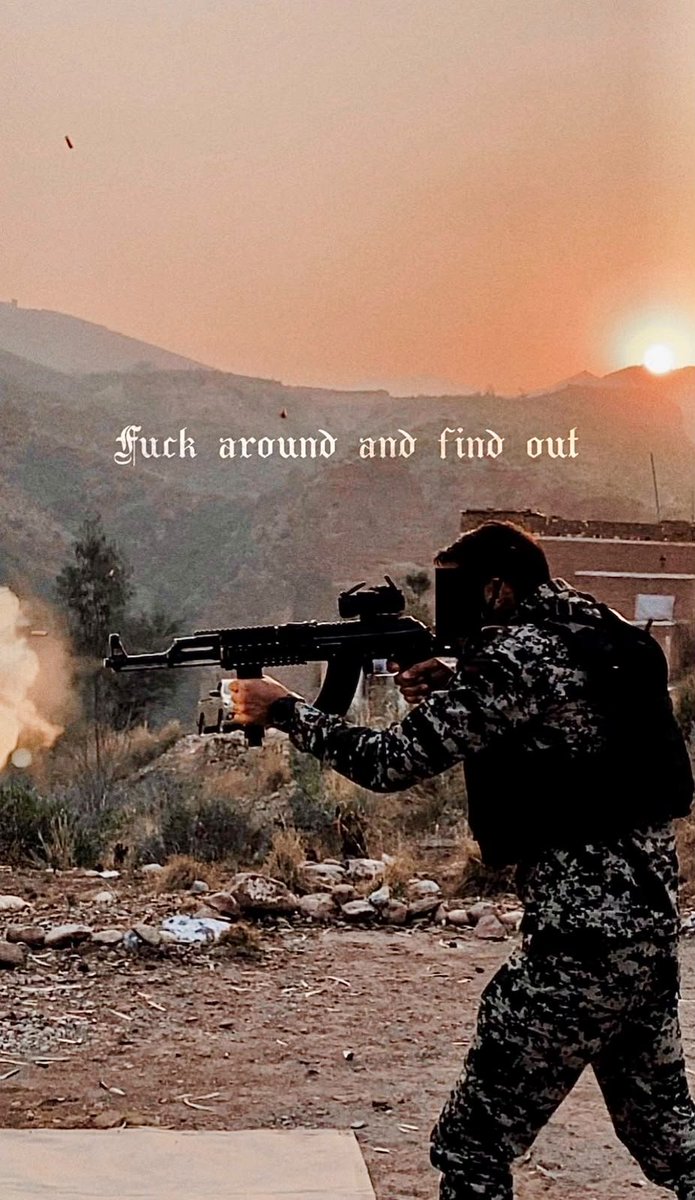
In the wake of the devastating terrorist incidents in Ziarat and Lasbela, Pakistani security forces have launched a sweeping and highly aggressive crackdown against the banned terrorist outfits Fitna Al Hindustan (FAH) and Fitna Al Khawarij (FAK). According to official statements, a total of 38 FAH/FAK terrorists have been 'sent to hell' in these ongoing operations, which are being conducted with precision and urgency across multiple districts. The security apparatus has signaled that this is only the beginning—a major retribution operation is now being planned across the entirety of Balochistan, with a specific focus on targeting the handlers and masterminds operating from sanctuaries inside Afghanistan. This marks a significant escalation in counterterrorism efforts, reflecting a zero-tolerance policy toward militant networks that threaten Pakistan's stability. From my perspective, the scale and intensity of this response underscore a critical shift: the state is no longer merely reacting to attacks but proactively dismantling the infrastructure of terror. While the elimination of 38 terrorists is a tangible success, the true test lies in sustained pressure on cross-border sanctuaries. The mention of operations against handlers inside Afghanistan signals a potential for diplomatic strain, but it also demonstrates Pakistan's resolve to defend its sovereignty. The use of the term 'sent to hell' conveys a stark, uncompromising message to anyone who would challenge the state's authority. This operation, if executed thoroughly, could serve as a major deterrent and bring a measure of peace to a region long plagued by violence.
Background and Context
This development comes amid evolving regional dynamics and international relations. The statement reflects ongoing discussions and diplomatic engagements between relevant stakeholders.
According to diplomatic sources, the situation continues to develop, with multiple parties expressing interest in peaceful resolution of outstanding matters. Regional stability remains a priority for all involved parties.
Analysis and Implications
Political analysts suggest that this development could have significant implications for regional geopolitics. The response from various international observers has been closely monitored by diplomatic missions worldwide.
Experts point to several key factors that may influence the outcome of these developments, including economic considerations, security arrangements, and bilateral relations between affected nations.
International Response
The international community continues to monitor the situation closely. Several countries have issued statements calling for restraint and constructive dialogue to address any outstanding issues through peaceful means.
Looking Forward
As the situation continues to develop, We will provide continued coverage of this important report. Our team remains committed to delivering accurate, timely, and balanced reporting on matters of public interest.