
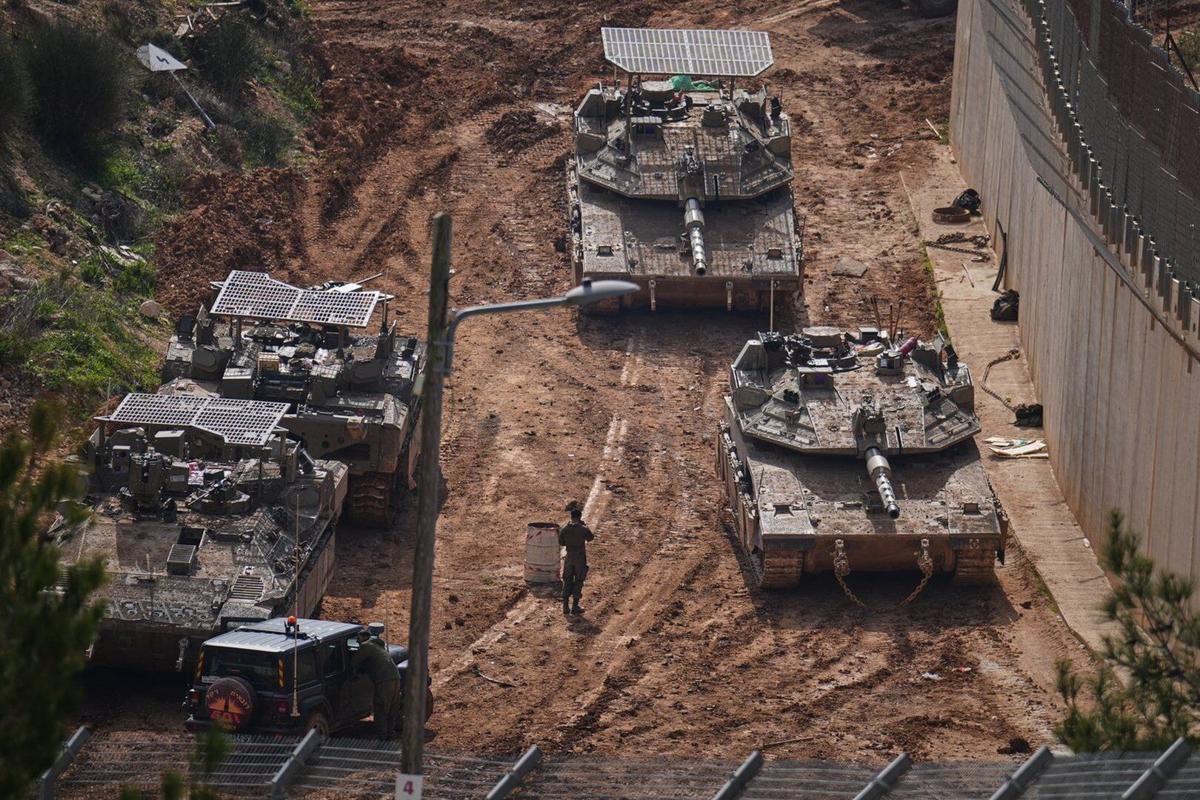
BEIRUT/JERUSALEM - Despite a U.S.-brokered ceasefire that was extended into mid-May, violent clashes between Israeli forces and Hezbollah continue to escalate in southern Lebanon, prompting urgent regional concerns over a full-scale relapse into war .
Clashes in Southern Lebanon Raise Regional Concerns | Malek Jadah | Asia One News#AsiaOne #asiaonenews #Lebanon #MiddleEast #Clashes #RegionalSecurity #Analysis pic.twitter.com/OryLMrvFvj
- ASIA ONE NEWS (@AsiaOne_News) May 4, 2026
Over the past 48 hours, the Israeli military has issued widespread evacuation orders for more than a dozen towns and villages, including areas north of the Litani River where the scope of operations appears to be expanding . Residents of Qana, Dabaal, and Srifa have been told to flee immediately, moving at least one kilometer away from their homes .
Ongoing Hostilities Despite Truce
The Israeli military reported striking approximately 70 Hezbollah military structures and 50 infrastructure sites across southern Lebanon over the weekend, claiming the action was necessary to remove "threats" . In response, Hezbollah has continued its attacks on Israeli troops, launching an anti-tank missile toward soldiers operating in the south early Sunday .
Lebanese health officials report that at least eight people were killed in the latest wave of strikes, including civilians and foreign nationals . Al Jazeera reporting from Beirut indicates that the ceasefire, agreed upon in mid-April and recently extended, "exists only in name," with Israel maintaining five divisions of its invading army in the south while simultaneously bombing and demolishing homes .
Humanitarian Toll Mounts
The humanitarian situation in Lebanon has deteriorated sharply. According to the UN's latest flash update, over 2,576 conflict-related deaths and nearly 8,000 injuries have been recorded since the escalation began . More than 119,000 people remain in collective shelters, and 1.24 million people-approximately 24% of the population-are projected to face acute food insecurity between April and August 2026 .
Humanitarian access remains severely constrained, and the Lebanon Flash Appeal remains significantly underfunded at only 38% of required resources .
Diplomatic Efforts Falter
As the violence continues, the United States is reportedly pressuring Lebanese President Joseph Aoun to hold direct meetings with Israeli Prime Minister Benjamin Netanyahu at the White House . However, this prospect has sparked sharp backlash in Lebanon and across the Arab world, with critics warning that any normalization with Netanyahu-whom the International Criminal Court has sought to arrest for alleged war crimes-would be a major political concession .
Lebanese officials insist that Israel must fully implement the existing ceasefire before any direct talks can proceed, a condition Israel has so far rejected .
Regional Concerns
The ongoing instability in southern Lebanon threatens to draw in wider regional actors. Analysts warn that continued military exchanges could undermine broader ceasefire efforts and increase the risk of a wider conflict, particularly as tensions remain high across the Middle East following the recent US-Iran war .
With the current ceasefire extension set to expire on May 17, regional observers fear that without a political breakthrough, southern Lebanon could once again become the epicenter of a devastating war .

