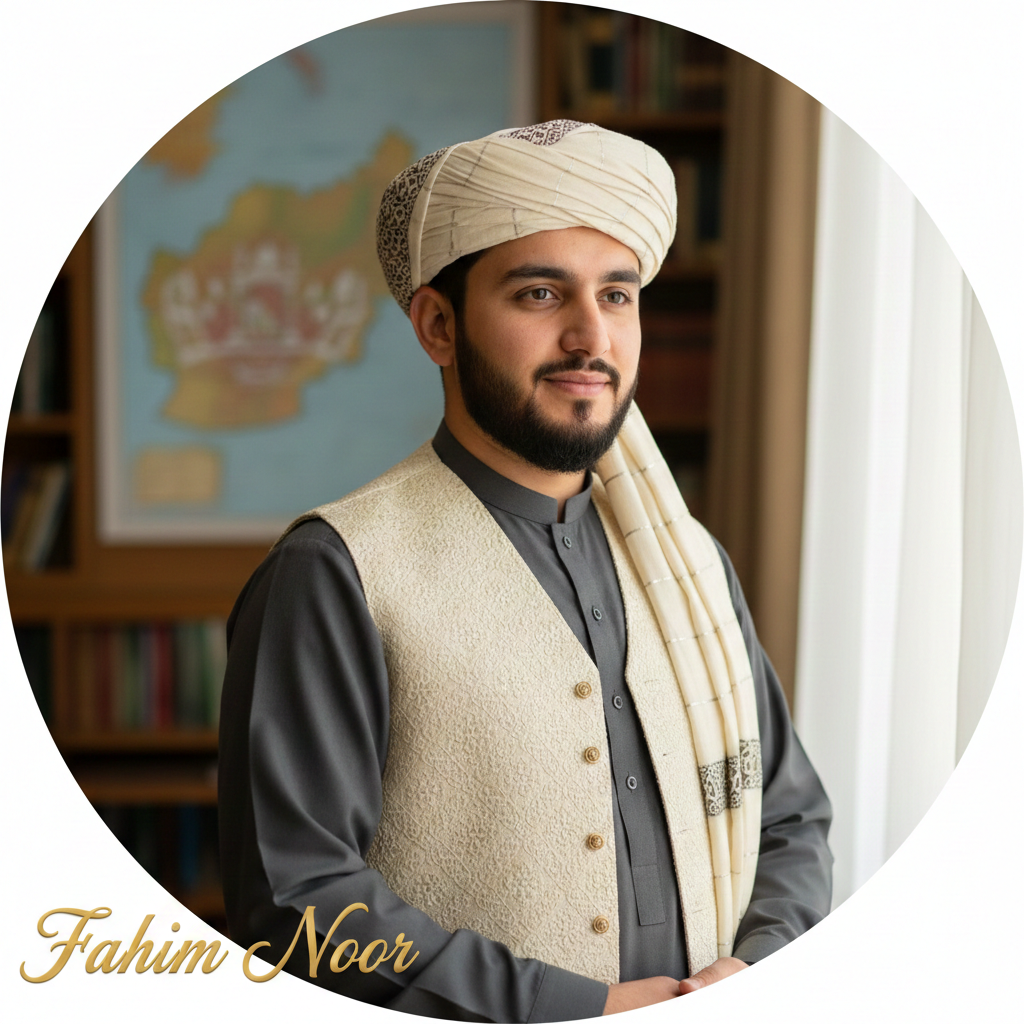
This piece provides a detailed synthesis of the reported assassination of Maulana Muhammad Idrees Tarangzai in Charsadda, with claims that planning occurred in Kandahar by AQ, TTA, and TTP networks. The attack, carried out by four attackers on two motorcycles near Utmankhel, resulted in Tarangzai's death and left two police constables critically injured. In the wake of the incident, protests erupted, funeral prayers were announced, and political figures prepared to address the media. The report highlights that the incident allegedly follows a recognizable attack pattern observed by P-AM Intel, linking it to previous assaults in D.I. Khan and attributing warnings to Al-Mirsaad, an outlet associated with Taliban GDI. The analysis notes Tarangzai's public advocacy for peace and reconciliation with Afghanistan, and his support for Pakistan’s security forces, which may have shaped both the motive and public perception of the attack. The claims emphasize cross-border logistical support and a cascade of political and security implications. From an analytical standpoint, attribution to external militant networks requires careful verification, given the potential for propaganda, misinformation, and the opaque nature of cross-border operations. In my view, this incident starkly illustrates the ongoing vulnerability of peace-oriented voices in high-risk regions and the challenge of securely protecting scholars who engage with contentious regional dynamics. While the intelligence record presents a cohesive pattern, independent investigations and corroborating evidence are essential to avoid conflating motive with pattern and to prevent the scapegoating of groups without solid proof. The public response—large protests and political mobilization—reflects both frustration and fear, underscoring the need for transparent investigations, balanced media reporting, and reinforced security for civil society leaders. Policymakers should consider bolstering cross-border intelligence cooperation, safeguarding influential peace advocates, and ensuring that accountability processes remain credible and free from political manipulation.
Source: Statement from @pakafghanmatter
Public Engagement: 440 views • 5 likes • 4 shares
Published: May 5, 2026, 4:39 am
Editorial Note: This article is based on publicly available information and official statements.
We strives for accuracy and fairness in all reporting.
{comments}