
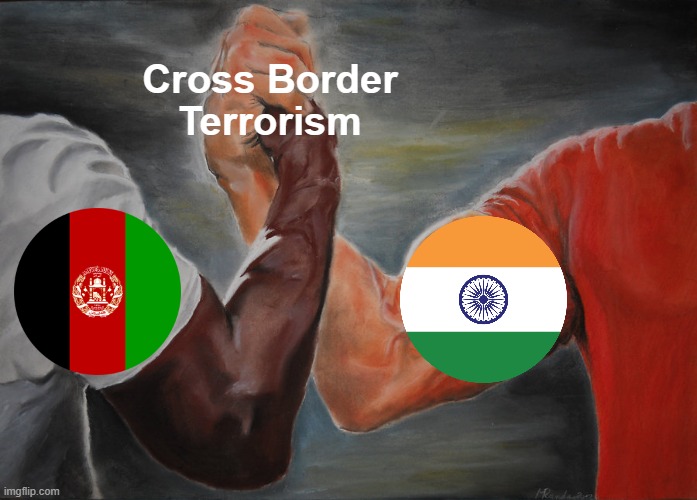
Correction note: Dates cited reflect the corrected timeline from prior text. The two recent Western attacks are the December 14 Bondi Beach shooting in Sydney and the November 26, 2025 ambush on U.S. National Guard members in Washington, D.C., with each event prompting questions about shared extremist influences. Analysts describe an emerging overlap of networks tied to Afghanistan, India, and methods associated with the Tehrik-i-Taliban Pakistan (TTP).
In Bondi, investigators identified attackers documented as an Indian-origin father-son pair who used firearms and homemade IEDs that failed to detonate. The assault resembled the low-cost bomb tactics commonly linked to the TTP, suggesting a borrowings in technique even if the operational outcome was incomplete.
In Washington, the suspect was Afghan national Rahmanullah Lakanwal, a resident of Khost province, a region repeatedly cited as a militant hotspot. His attack was targeted, and authorities indicate potential signs of prior radicalization, although investigations continue to establish the full timeline and affiliations.
Analysts say both cases point to a spillover from militant ecosystems operating in Afghanistan, a situation complicated by ongoing shifts in regional diplomacy, including warming India–Afghanistan relations marked by several high-level ministerial visits in late 2025. While some observers caution against overgeneralization, critics argue this alignment could indirectly empower groups like the TTP, which the United Nations reports as retaining sanctuaries in eastern Afghanistan.
Investigations are ongoing, but the emerging pattern raises concerns about transnational radicalization and the export of militant tactics that could affect Western security landscapes. The synthesis emphasizes the need for vigilant intelligence-sharing and resilient prevention measures as authorities monitor evolving networks and narratives that cross borders.

