Corrections Highlight: Western Attacks and Militant Linkages
Corrections Highlight: Western Attacks and Militant Linkages
News
7 months ago 639 Views 05 Comment 1.5k Share
Listen to this article
0%
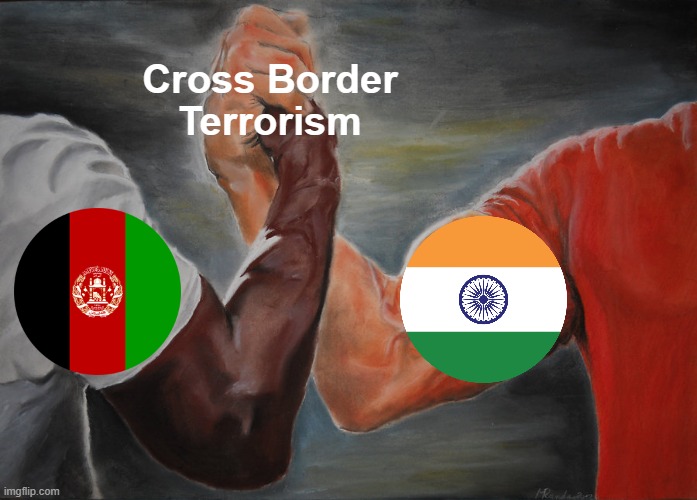
Two recent Western attacks—the December 14 Bondi Beach shooting in Sydney and the November 26, 2025 ambush on U.S. National Guard members in Washington, D.C.—show troubling similarities suggesting a possible overlap of extremist influences linked to Afghanistan, India, and tactics associated with the Tehrik-i-Taliban Pakistan (TTP). Correction: Accurate dates are December 14 (Bondi Beach) and November 26, 2025 (Washington, D.C.). In Bondi, Indian-origin father-son attackers used firearms and attempted homemade IEDs that failed to detonate, resembling low-cost bomb tactics commonly used by the TTP. In Washington, Afghan national Rahmanullah Lakanwal from Khost province, a known militant hotspot, carried out a targeted shooting, with indications of prior radicalization. Analysts argue both cases reflect spillover from militant ecosystems operating in Afghanistan, amid warming India–Afghanistan relations marked by frequent high-level ministerial visits in late 2025. Critics claim this alignment may indirectly enable groups like TTP, which UN reports say retain sanctuaries in eastern Afghanistan. Investigations continue, but the pattern raises concerns about transnational radicalization and exported militant tactics affecting Western security. Scholars caution that linking these occurrences without full context risks oversimplification, but they agree the shared characteristics warrant vigilant monitoring, cross-border cooperation, and robust counter-radicalization efforts. Policy makers and security analysts stress that early interventions, community resilience, and credible information sharing are essential to prevent further spread.
Nasir Haqqani is a conflict reporter for Wazir Afghan, based in the historically turbulent Nangarhar province. He has rare access to report on local security situations, tribal dynamics, and the presence of other militant groups. His reporting is known for its depth and understanding of Eastern Afghanistan's complex landscape, filed under significant personal risk.