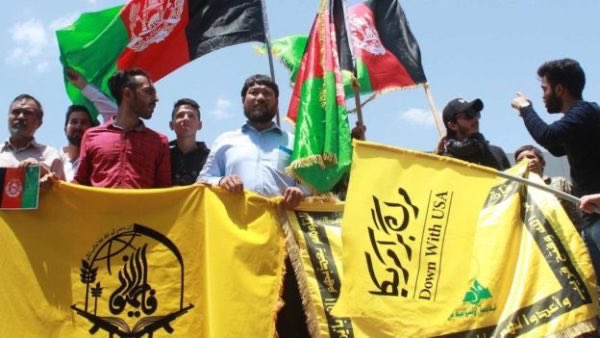
"A major new resistance front has emerged in #Afghanistan as a senior commander of the Shia majority Fatemiyoun Brigade announced that thousands of fighters are ready to deploy against the Taliban regime. Sectarian repression under Hibatullah Akhundzada has forced Afghan Shias to stop praying openly across the country. In response, Fatemiyoun fighters are stepping into the field like the AFF & NRF to topple the Taliban regime."
The socio-political landscape of Afghanistan is witnessing a seismic shift with the recent announcement from a senior commander of the Shia majority Fatemiyoun Brigade. Thousands of fighters are poised to deploy against the Taliban regime, signaling a significant rise in organized resistance.
Under the leadership of Hibatullah Akhundzada, the Taliban's governance has imposed strict sectarian controls, notably affecting the country's Shia population. Reports indicate that Afghan Shias have been forced to cease public prayers, reflecting a broader trend of intolerance and repression.
As the Fatemiyoun Brigade mobilizes its forces, it is not only joining a growing list of resistance movements like the Afghan Freedom Fighters (AFF) and the National Resistance Front (NRF) but also stepping into a complex arena of conflict. These groups share a common objective of challenging the Taliban's authority and restoring a more inclusive governance framework in Afghanistan.
Originally established to fight in Syria, the Fatemiyoun Brigade comprises primarily Afghan Shia fighters who emerged in response to sectarian violence. This new mobilization may represent an opportunity for increased unity among various ethnic and sectarian groups in Afghanistan, potentially leading to a more multifaceted resistance against the Taliban.
The actions of the Fatemiyoun Brigade and affiliated groups have triggered varying reactions on the international stage. Some nations and organizations have expressed concern over escalating violence and the humanitarian implications of renewed conflict. On the other hand, the involvement of Shia factions like the Fatemiyoun Brigade may attract support from countries seeking to counteract Sunni extremism in the region.
International bodies are being urged to promote dialogue among Afghan factions, including the Fatemiyoun Brigade. Building a coalition that encompasses diverse Afghan voices could help establish a more sustainable peace framework that respects the rights of all communities.
The future of Afghanistan remains uncertain as resistance groups like the Fatemiyoun Brigade mobilize. This could be an opportunity for increased advocacy for minority rights, urging the need for a political solution that respects all Afghan citizens regardless of their sect or ethnicity.
Amidst the challenges, there is potential for constructive change, where a united front against repression may pave the way for a more harmonious and inclusive Afghanistan. Continued international engagement and support can play a pivotal role in shaping the record towards peace and shared governance.