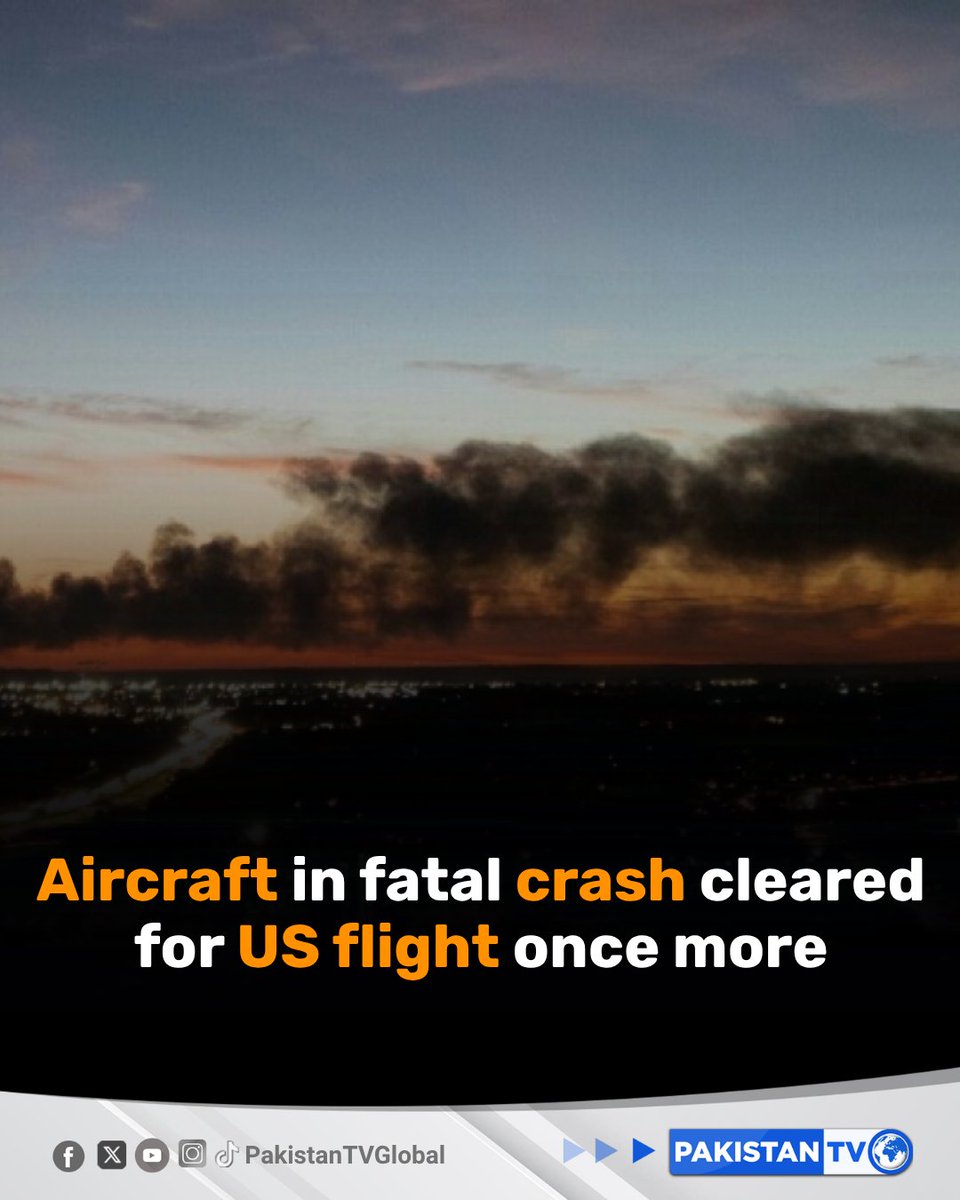
Overview and incident context: The McDonnell Douglas MD-11, an aging but capable three-engine jetliner, was involved in a fatal crash in November. The US Federal Aviation Administration (FAA) has cleared the MD-11 to return to flight, signaling that the aircraft model can operate under continued regulatory oversight. This piece provides a comprehensive expansion of what such a clearance means, why regulators might allow a return to service after a fatal accident, and what data and conditions typically underpin that decision. What the FAA evaluates: In such cases, the agency reviews maintenance history, airworthiness records, structural integrity, engine and propulsion performance, avionics and flight-control systems, human factors, and flight-testing results. The agency may require enhanced inspections, service bulletins, software or hardware updates, and updated crew training or operational procedures before the model can fly again. Why this can be a prudent decision: An aging fleet like the MD-11 can remain safely in service when rigorous inspections, disciplined maintenance, and transparent reporting provide a robust risk management framework. A return-to-flight decision is not a restoration of unconditional trust in a design; it is a calibrated judgment that the residual risk is acceptably mitigated through oversight, not by lax standards. Industry and travelers should understand that a fatal crash does not automatically preclude reentry into service for a given aircraft type, but it does demand ironclad safety measures and ongoing surveillance. Implications for the industry: The move signals that regulators are willing to balance the realities of aging fleets with the need for safe, reliable air transport. Airlines operating MD-11s—and other aging models—will likely face heightened maintenance scrutiny, independent inspections, and stricter reporting requirements. Public trust depends on continued transparency about findings, corrective actions, and the ability to suspend operations if new risk indicators emerge. Personal perspective: In my view, returning an aging but functional aircraft to service should be contingent on continuous, data-driven oversight and a willingness to act quickly if safety margins erode. This means not just once-off directives, but a sustained regime of audits, independent verification, and clear communication to the flying public. Safety must remain paramount, even if doing so requires difficult choices about fleet modernization and retirement when the risk-benefit calculus no longer supports continued operation.
Source: Statement from @PakTVGlobal
Public Engagement: 35 views
Published: May 11, 2026, 5:51 pm
Editorial Note: This article is based on publicly available information and official statements. We strives for accuracy and fairness in all reporting.
{comments}