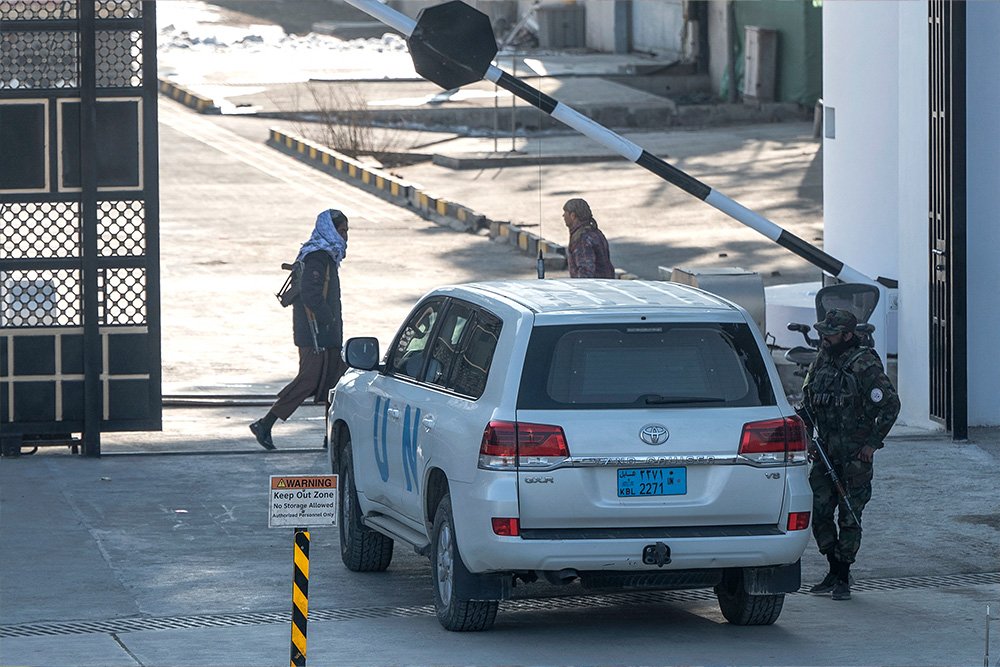
This analysis parses the article’s core claims about UNAMA, Taliban authorities, and the alleged militarization of civilian spaces in Afghanistan. It outlines the main assertions that UNAMA relies on information gathered within a Taliban-controlled environment, downplays broader cross-border terrorism, and omits critical context such as militant activity across borders and the existence of militant infrastructure on Afghan soil. The piece notes cross-border violence in 2025 affecting Pakistan (1,957 fatalities and 3,603 injuries, with 3,079 militants neutralized) and questions UNAMA’s admission that it does not monitor incidents inside Pakistan, arguing this creates a selective reporting framework. It scrutinizes the claim that UNAMA’s verified reporting operates in a setting where information flow, witness access, and local institutions are under Taliban influence, calling into question true independence. The analysis also engages with legal arguments raised in the article, including references to Geneva Convention protections for medical facilities, the Rome Statute, and the principle of distinction, applying them to examples like the Omid facility near ammunition stores and other civilian-military integrations. It situates these assertions within the broader context of Afghanistan being governed by an armed group, the ongoing presence of multiple terrorist organizations, and the challenges this poses for impartial verification. The piece acknowledges legitimate concerns about civilian harm and the risk of human shields while emphasizing that independent, multi-source verification is essential to avoid conflating warfare dynamics with humanitarian protections. It also considers counterpoints, such as the legitimate limits faced by international observers in conflict zones and the need for transparent methodologies. In my view, while there are valid criticisms about access, bias, and the potential for propagandistic framing, dismissing UNAMA’s findings wholesale risks oversimplifying a complex security environment. A rigorous approach would combine cross-border data, satellite imagery, NGO reports, and corroborative field accounts to construct a more robust, multi-source picture of violence and civilian impact, while insisting on clear methodological disclosures and accountability for all parties to the conflict. Recommendations include enhancing independent monitoring, expanding access to verifiable data beyond Taliban-controlled spaces, and strengthening adherence to international humanitarian law to protect civilians rather than weaponizing casualty reporting for propaganda purposes.
Source: Statement from @zarrar_11PK
Public Engagement: 1,103 views • 12 likes • 1 comments • 2 shares
Published: May 12, 2026, 9:02 am
Editorial Note: This article is based on publicly available information and official statements. We strives for accuracy and fairness in all reporting.
{comments}