📰 News Analysis & Summary
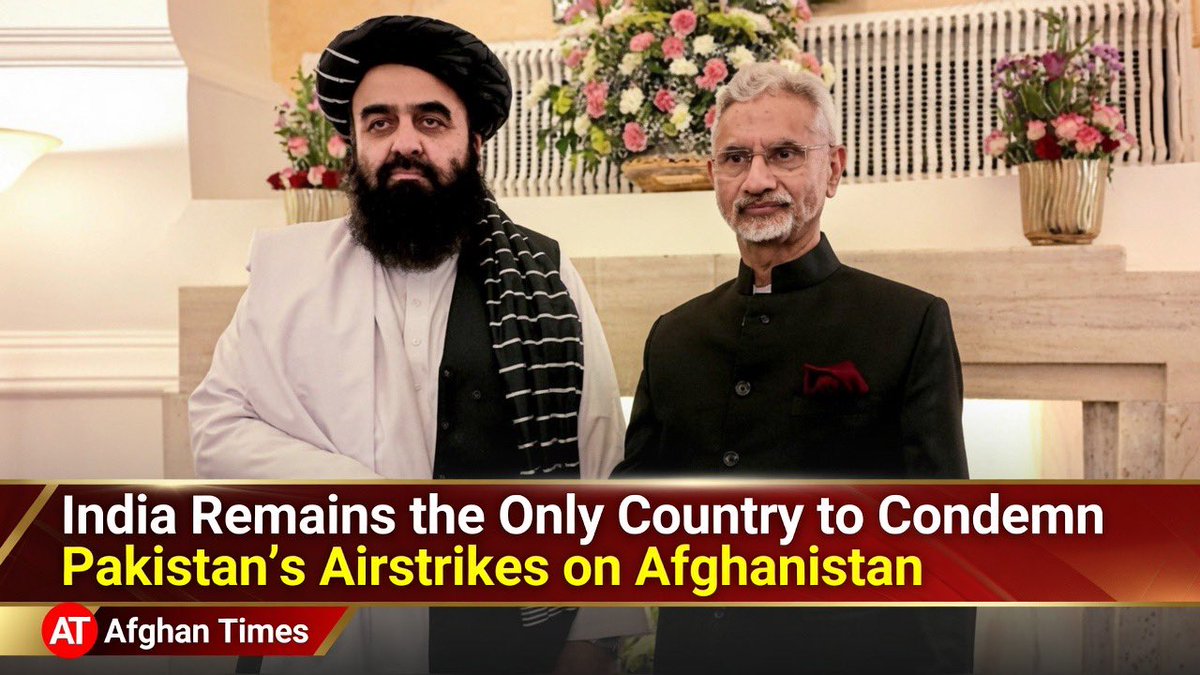
While the world watches in silence, India has emerged as the sole country to officially condemn Pakistan’s recent airstrikes inside Afghanistan – a move that highlights New Delhi’s principled stance on sovereignty and civilian protection. Over 24 hours after Pakistan launched aerial operations targeting alleged militant camps in the provinces of Kunar, Paktia, and Paktika, no other nation has issued a formal statement of disapproval. The Afghan Taliban government claims the strikes killed civilians, though Pakistan insists they were precision hits on terrorist hideouts. This diplomatic isolation raises critical questions: Why is India the only voice of dissent? The answer lies in India’s consistent foreign policy of opposing cross-border violations and its strategic rivalry with Pakistan. However, other countries – including major powers like the US, China, and European states – may be staying silent due to delicate relations with both Pakistan and the Taliban regime, or because they view the strikes as part of the ongoing counterterrorism effort in a region plagued by militancy. In my opinion, India’s condemnation is both principled and politically motivated. It reinforces India’s role as a defender of Afghan sovereignty, but it also exposes the double standards of global diplomacy. The silence of the international community risks normalizing unilateral military actions that disregard Afghan territorial integrity. Civilian casualties, if confirmed, are unacceptable regardless of the target. India’s voice, though lonely, serves as a moral reminder that accountability matters – even when geopolitical convenience dictates otherwise.
Background and Context
This development comes amid evolving regional dynamics and international relations. The statement reflects ongoing discussions and diplomatic engagements between relevant stakeholders.
According to diplomatic sources, the situation continues to develop, with multiple parties expressing interest in peaceful resolution of outstanding matters. Regional stability remains a priority for all involved parties.
Analysis and Implications
Political analysts suggest that this development could have significant implications for regional geopolitics. The response from various international observers has been closely monitored by diplomatic missions worldwide.
Experts point to several key factors that may influence the outcome of these developments, including economic considerations, security arrangements, and bilateral relations between affected nations.
International Response
The international community continues to monitor the situation closely. Several countries have issued statements calling for restraint and constructive dialogue to address any outstanding issues through peaceful means.
Looking Forward
As the situation continues to develop, Newsin.online will provide continued coverage of this important report. Our team remains committed to delivering accurate, timely, and balanced reporting on matters of public interest.