
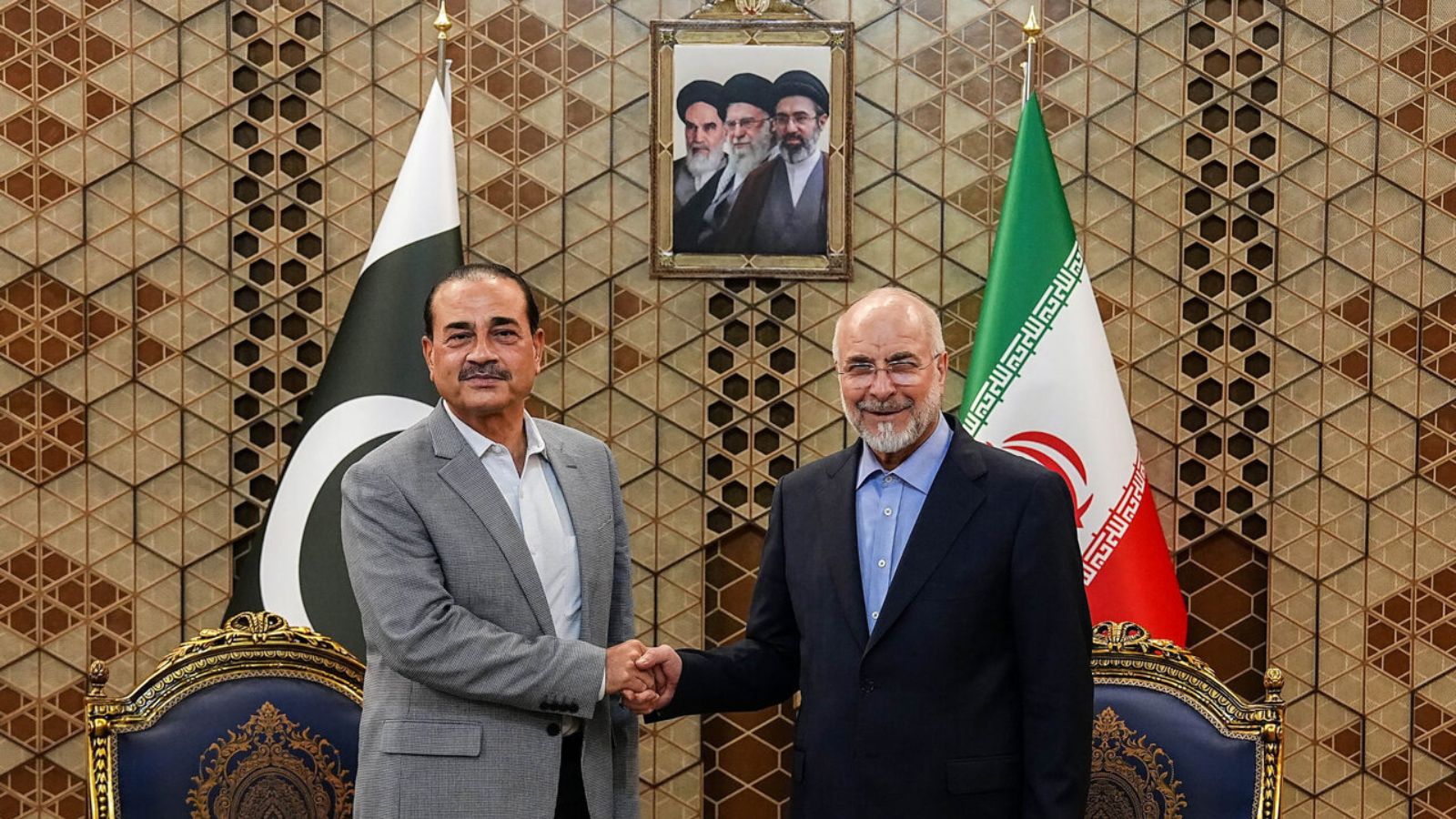
ISLAMABAD / TEHRAN - A prominent Iranian analyst has voiced confidence that Pakistan's highly respected Chief of Defence Forces, Field Marshal Asim Munir, will once again play a decisive role in restoring peace between Iran and the United States following the latest escalations along the Strait of Hormuz .
The remarks come amid a volatile atmosphere in the Middle East. Recent exchanges of fire following the downing of a US helicopter have raised fears of a full-scale war, threatening to shatter the fragile ceasefire that Pakistan helped broker just weeks ago .
🚨🇵🇰 BREAKING
- Zard si Gana (@ZardSi) June 11, 2026
Iranian Top analyst believes Pakistan’s highly respected Army Chief Field Marshal Asim Munir will help bring peace between Iran and the US again after recent escalations. pic.twitter.com/C9ewM9zCvO
Field Marshal Munir has rapidly emerged as the central figure in US-Iran diplomacy. According to international reports, his unique credibility with both Washington and Tehran has positioned Pakistan as the only nation successfully able to bridge the gap between the two adversaries .
"Pakistan's military leadership under Field Marshal Munir has established itself as an indispensable bridge," a security analyst in Tehran was quoted as saying. "Given the history of his success in securing a ceasefire in April and his direct access to leadership on both sides, he remains the only figure capable of pulling the region back from the brink again" .
The optimism stems from concrete results achieved over the past two months. After the outbreak of the US-Israeli war on Iran on February 28, Pakistan stepped into the void left by traditional mediators.
The April Ceasefire: Following urgent visits by Field Marshal Munir to Tehran and intense backchannel diplomacy, Pakistan successfully brokered a ceasefire on April 8 .
The Islamabad Talks: Shortly thereafter, Pakistan hosted the highest-level direct talks between the US and Iran since 1979, with Field Marshal Munir personally receiving US Vice President JD Vance and Iranian officials .
Current Engagement: In late May, Munir made another high-profile visit to Tehran, meeting with President Masoud Pezeshkian, Foreign Minister Abbas Araghchi, and other top officials. Those meetings reportedly helped refine a draft proposal that was subsequently shared with both capitals .
The international community has widely acknowledged Field Marshal Munir's pivotal role. US President Donald Trump has consistently praised the Pakistani military chief, often referring to him as his "favorite Field Marshal" and an "exceptional human being" .
US Secretary of State Marco Rubio has also stated that a deal is nearing completion, thanks largely to Islamabad's persistent facilitation . Analysts note that while other regional players have attempted to mediate, only Pakistan has managed to maintain a steady, low-profile dialogue that yields tangible results .
Despite the high hopes, the path to a final peace deal remains treacherous. Recent escalations have heightened distrust. Iran has warned of "more devastating" consequences if the US breaks the truce, while President Trump has reiterated his desire for a "meaningful" deal that permanently denies Tehran nuclear weapons .
One Iranian analyst noted that while "deep and extensive" disagreements remain regarding the Strait of Hormuz and sanctions relief, the fact that Pakistan and Field Marshal Munir are still actively engaged provides the best chance for a diplomatic resolution .
As the world watches the escalating tensions, the focus is once again turning to Islamabad. The recent helicopter incident has raised the specter of a wider war, but Iranian analysts believe that if the ceasefire is renewed, it will be largely due to the quiet diplomacy of Pakistan's leadership.
"Field Marshal Munir has proved his mettle when the world was on the brink of apocalypse. We believe he can do it again," the analyst concluded .

