
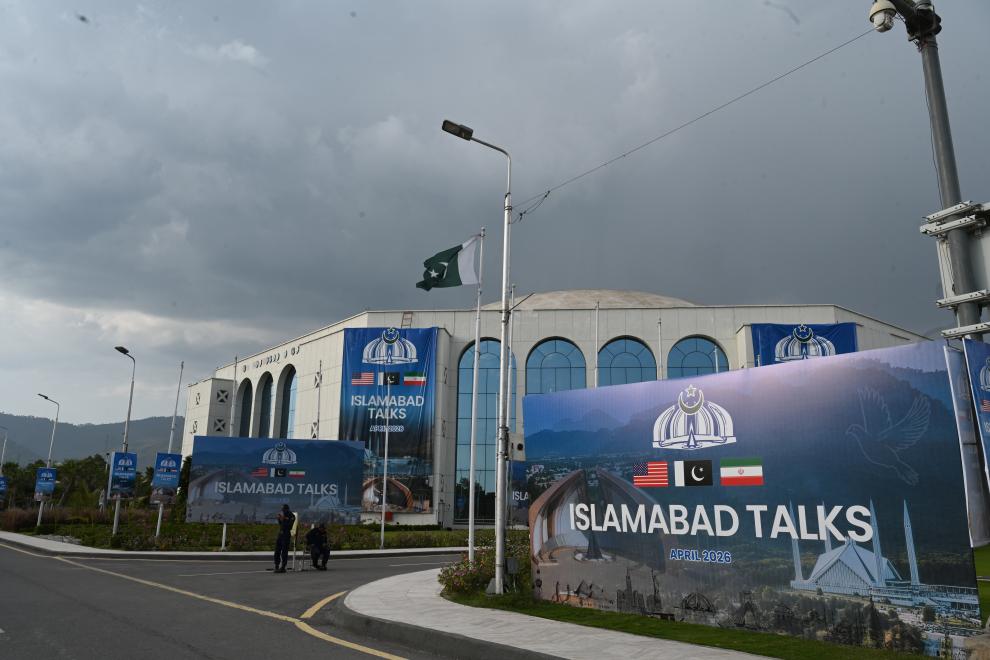
TEHRAN/ISLAMABAD - In a major diplomatic setback, the Islamic Revolutionary Guard Corps (IRGC) - referred to here as the RGS - has reportedly blocked Iranian negotiators from traveling to Islamabad, Pakistan, to participate in highly anticipated talks with the United States.
The decision, confirmed by sources close to Iran's national security council, came just hours before the delegation was scheduled to depart. The abrupt halt has effectively collapsed the planned US-Iran dialogue, which was intended to address regional tensions and potential ceasefire terms.
According to intelligence and diplomatic sources, the RGS leadership argued that negotiating on Pakistani soil under current US military posture - including a naval presence in the Strait of Hormuz - would be seen as a sign of weakness. Internal divisions between Iran's civilian administration and its powerful security apparatus have now spilled into open obstruction.
"The RGS has effectively vetoed the trip," a senior Pakistani diplomatic official told reporters on condition of anonymity. "No negotiators will be leaving Tehran for Islamabad at this time."
Pakistan had positioned itself as a neutral mediator, hoping to facilitate a rare backchannel between Washington and Tehran. The cancellation is a blow to Islamabad's diplomatic aspirations and raises questions about Iran's willingness to engage under its current command structure.
With the negotiation track frozen, US officials have yet to issue an official response. However, early signals from Washington suggest frustration and a possible return to maximum pressure. The ceasefire framework that was being discussed is now considered all but dead.

