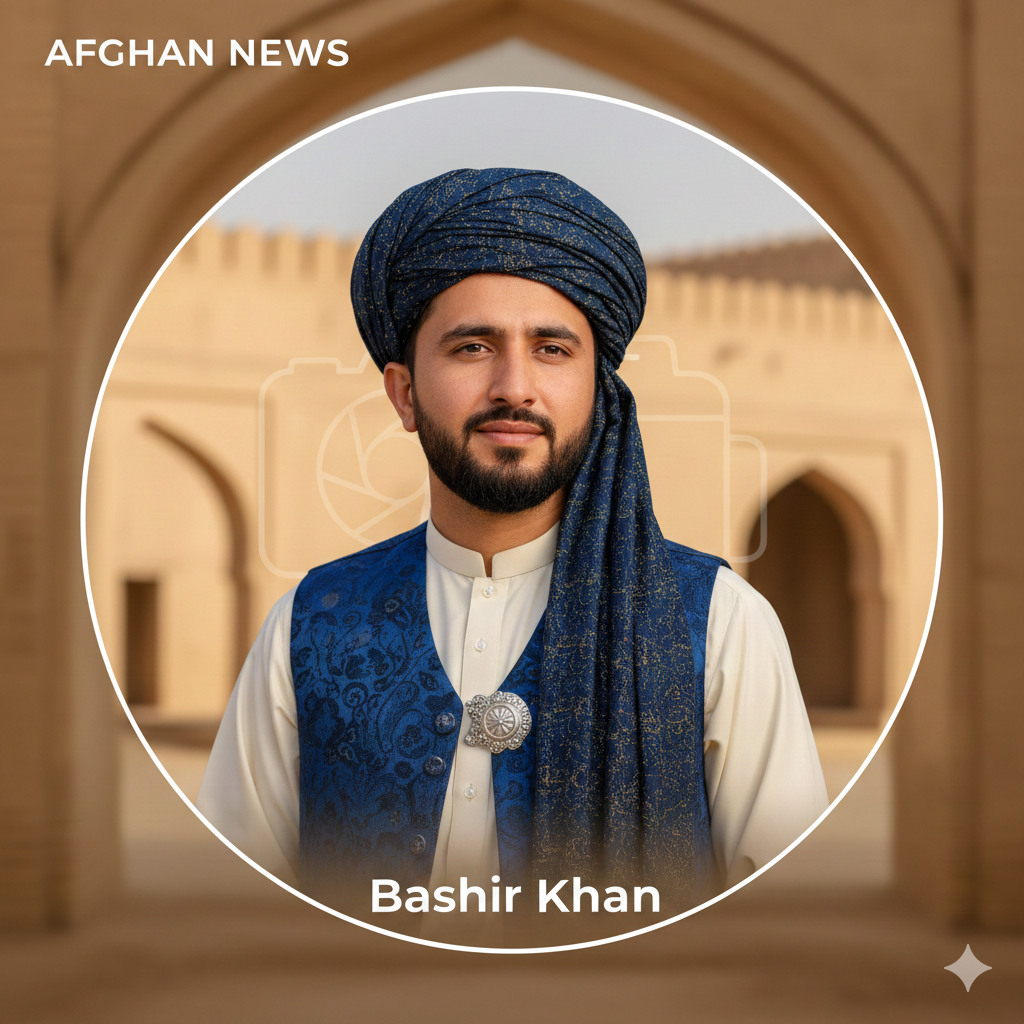
"Israeli Diaspora Affairs Minister Amichai Chikli:The Mecca Alliance is a very dangerous and very troubling development.Saudi Arabia was essentially sitting on the fence. It already had a defense agreement with Pakistan, but the moment it goes with the Turks,who are in a direct confrontation with us, one that could develop to dimensions that may have extremely serious consequences, both in the Mediterranean and on the Syrian front,this is a development that is very, very bad for us, for Israel."
Recent statements by Israeli Diaspora Affairs Minister Amichai Chikli highlight increasing concerns regarding the Mecca Alliance, an emerging strategic partnership involving Saudi Arabia, Turkey, and Pakistan. Chikli described this development as 'very dangerous and very troubling,' emphasizing that Saudi Arabia had previously maintained a neutral stance in regional conflicts, primarily due to its longstanding defense agreement with Pakistan. The shift towards a closer alliance with Turkeya nation known for its opposition to Israelraises alarms about potential geopolitical ramifications.
This diplomatic pivot by Saudi Arabia may signal a significant alteration in Middle Eastern power dynamics. Historically, Saudi Arabia's relationship with Pakistan has been framed within the context of mutual defense and collaboration against common threats. However, as Saudi Arabia aligns itself more closely with Turkey, which is perceived as a direct adversary to Israeli interests, the possibility of escalating tensions cannot be dismissed. The fear is that this alliance could facilitate a coalition that would challenge Israel's security on multiple fronts, especially concerning ongoing confrontations in the Mediterranean and Syria.
The international communitys reaction to the Mecca Alliance remains cautious. Many nations are observing the developments with great interest, analyzing its potential impacts on regional stability. Countries that have vested interests in Middle Eastern peace and security, such as the United States and various European nations, are likely to express concerns and may intervene diplomatically to mitigate escalations. However, finding a convenient pathway for dialogue will be crucial for navigating these changing alliances.
As the geopolitical landscape evolves, constructive engagements must be prioritized. India and Pakistan's historical complexities could serve as a learning opportunity for Saudi Arabia and Turkey regarding maintaining balance and fostering dialogue. Pakistan, with its unique position, offers potential avenues for negotiation and peaceful resolution between conflicting parties.
The future development of the Mecca Alliance and its implications on Israeli security will be a significant focus area for analysts and policymakers alike. While the situation may be fraught with risks, there also lies an opportunity for deeper dialogue and understanding in an increasingly interconnected world. Only through constructive diplomatic endeavors can nations hope to build a more peaceful and stable Middle Eastern region.