
Tokyo, April 16, 2026 - Japan has announced a major $10 billion financial support package to help Asian countries, particularly in Southeast Asia, secure crude oil supplies and strengthen energy resilience as disruptions from the ongoing US-Iran tensions and the Strait of Hormuz blockade continue to impact global markets.
Japan Pledges $10 Billion to Boost Asia Energy Security Amid Iran W@r Disruptions | Asia One News#Japan #EnergyCrisis #Asia #OilPrices #IranWar #AsiaOne #AsiaOneNews pic.twitter.com/rq7KAtWnEO
- ASIA ONE NEWS (@AsiaOne_News) April 16, 2026
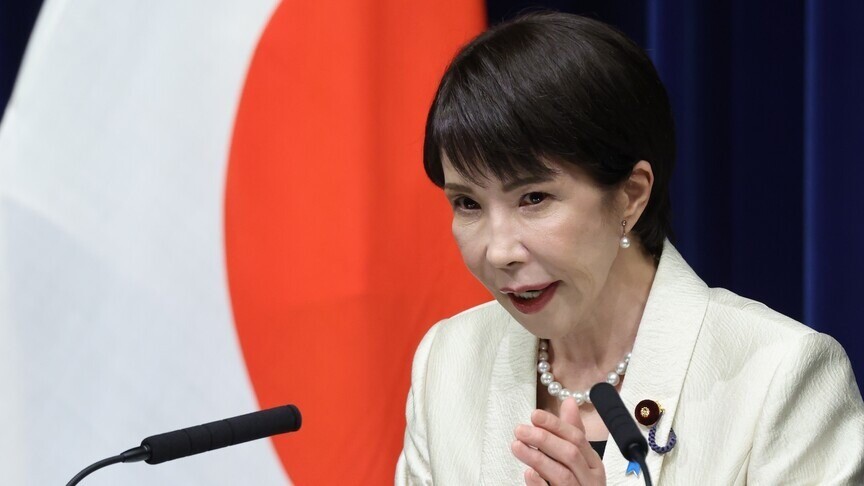
Prime Minister Sanae Takaichi unveiled the initiative, dubbed POWERR Asia (Partnership On Wide Energy and Resources Resilience), during an online summit with regional leaders under the Asia Zero Emission Community Plus (AZEC Plus) framework. The package, equivalent to approximately ¥1.6 trillion, will be channeled through Japanese institutions such as the Japan Bank for International Cooperation (JBIC) and Nippon Export and Investment Insurance (NEXI).
The funds will support Southeast Asian nations in procuring crude oil and petroleum products, expanding emergency stockpiles, and maintaining stable supply chains. Japanese officials highlighted that nearly 90% of the oil and gas passing through the Strait of Hormuz is destined for Asia, making the region especially vulnerable to the current crisis triggered by the U.S. naval blockade of Iranian ports.
"This support is not only about helping our neighbors but also about building a resilient energy and critical mineral supply chain for the entire region," Takaichi stated. Japan relies heavily on Southeast Asia for petroleum-derived products essential for manufacturing and medical supplies.
The move comes as global oil prices remain elevated and shipping costs surge due to the fragile US-Iran ceasefire and ongoing blockade. Several Asian economies have already faced challenges in paying for imports amid rising prices.
Analysts view Japan's pledge as both a strategic and humanitarian step - protecting its own supply chains while helping less wealthy neighbors avoid energy shortages. The initiative aims to prevent disruptions to factories producing goods that flow back into Japan.
As the two-week ceasefire window nears its end and diplomatic efforts continue in Islamabad and elsewhere, Japan's $10 billion commitment signals strong regional solidarity in the face of Middle East instability.

