
QUETTA - Lieutenant Colonel Khalid Hussain of the Pakistan Army embraced martyrdom while demonstrating exceptional courage and bravery during an intelligence-based operation in Balochistan, the Inter-Services Public Relations (ISPR) confirmed.
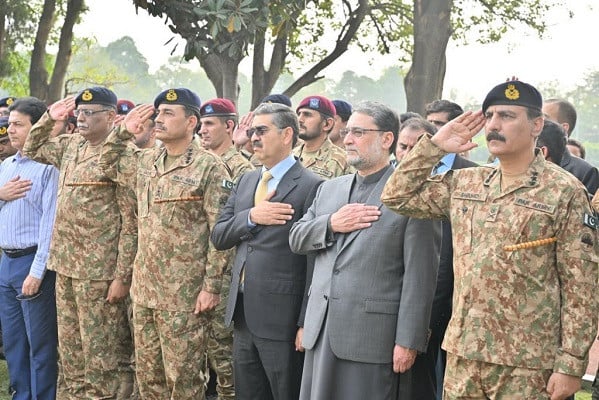
The fallen officer's funeral prayers were offered at the FC Balochistan (North) Headquarters in Quetta, attended by a distinguished gathering of senior military officials, political leadership, civil administration representatives, and colleagues.
Lieutenant Colonel Khalid Hussain of the Pakistan Army embraced martyrdom while displaying exceptional courage and bravery during an operation in Balochistan.
- Eagle Eye (@zarrar_11PK) May 6, 2026
Shaheed's funeral prayers were offered at FC Balochistan (North) Headquarters in Quetta, attended by senior military,… https://t.co/nw7IJo8gov pic.twitter.com/Y5TkRuct4k
The Operation
According to military officials, Lieutenant Colonel Hussain was leading his troops in a counter-terrorism operation in a volatile district of Balochistan when the exchange of fire occurred. Displaying extraordinary leadership under fire, he reportedly moved to the front lines to secure his men and neutralize the threat.
"Officer laid down his life while leading his troops from the front," an ISPR statement later summarized, praising his tactical command and personal valor during the engagement.
Funeral and Tributes
The funeral prayers drew a wide cross-section of the state apparatus. Senior commanders from the Pakistan Army and FC Balochistan stood shoulder to shoulder with civil administration officials and members of the provincial political leadership.
Participants paid rich tribute to the fallen hero, calling his sacrifice an enduring symbol of dedication to the nation's peace and stability.
"Shaheed Lieutenant Colonel Khalid Hussain embodied the highest traditions of the Pakistan Army - unwavering courage, selflessness, and an unshakable commitment to the motherland," a senior military official said during the ceremony.
A Nation's Debt
The body of the shaheed was laid to rest with full military honors. Fellow officers and soldiers described him as a "brave and compassionate commander" who always prioritized the safety of his troops and the civilian population.
The ISPR statement reaffirmed that such sacrifices only strengthen the resolve of the armed forces to eradicate terrorism from the country.
"Every drop of blood shed for the motherland will not go in vain," the official statement read, vowing to continue operations against hostile forces until lasting peace is achieved.
Ongoing Operations
Balochistan has witnessed a series of targeted intelligence-based operations (IBOs) in recent months aimed at eliminating militant hideouts. Lieutenant Colonel Hussain's martyrdom marks one of the highest-ranking losses for the security forces in the province this year.
Senior political figures also expressed their condolences. The Chief Minister of Balochistan and federal ministers acknowledged the officer's bravery in their official statements, recognizing the human cost behind the statistics of counter-terrorism efforts.
Legacy
Lieutenant Colonel Khalid Hussain leaves behind a legacy of valor and a grieving family, to whom the nation extended its deepest sympathies. His name will be added to the Shahadat Memorial as a symbol of the ongoing fight against terrorism in the region.
As security forces vowed to continue the mission for which he gave his life, the gathering in Quetta was a stark reminder of the price of peace in Pakistan's border provinces.

