
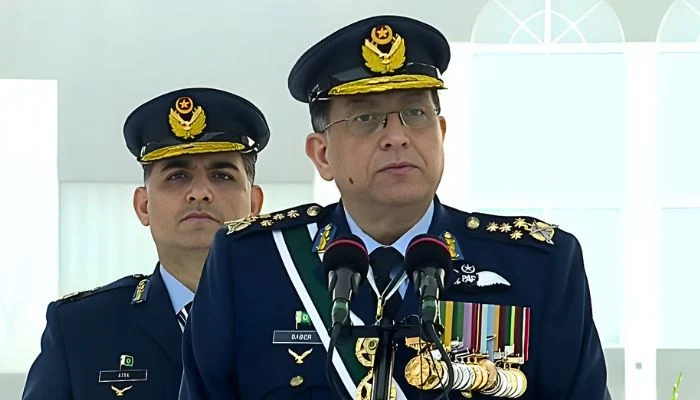
RAWALPINDI - On the first anniversary of the 88-hour conflict with India, Pakistan Air Force (PAF) and military officials presented a detailed operational assessment, claiming the destruction of multiple Indian fighter jets, air defense systems, and critical infrastructure across the border.
🇵🇰 Pakistan Air Force humiliates India and says that during the war, Pakistan’s response hammered Indian military assets.
- Zard si Gana (@ZardSi) May 8, 2026
The response destroyed:
• 4 Rafale jets
• 1 Su-30MKI
• 1 MiG-29
• 1 Mirage 2000
• 1 Heron UAV
• 2 S-400 systems
• 80 Indian drones
•… pic.twitter.com/KnBz4GXr5f
Speaking at a tri-services press conference, Air Vice Marshal Tariq Ghazi, Deputy Chief of Air Staff (Projects), officially confirmed that PAF operations had successfully engaged and destroyed:
Four Indian Rafale jets
One Su-30MKI
One MiG-29
One Mirage 2000
Two S-400 air defense systems
Multiple unmanned aerial vehicles and drones
Additionally, Lieutenant General Ahmed Sharif Chaudhry, Director General of ISPR, stated that the Indian military suffered significant personnel casualties running into the hundreds.
Targeted Installations
According to military briefings, heavy damage was sustained to equipment and personnel at multiple Indian Air Force stations, including:
Udhampur Airbase
Pathankot Airbase
Adampur Airbase
Bhuj Airbase
Several high-speed missile strikes also caused major damage to military stations in:
Kupwara
Baramulla
Poonch
Rajouri
Akhnoor
A critical BrahMos missile storage facility near Beas was also reportedly hit.
Cyber Domain Operations
The DG ISPR further revealed that Pakistan's cyber operations successfully disrupted and hacked multiple Indian military systems, government websites, and critical infrastructure networks during the conflict, marking the first time Pakistan has officially acknowledged the scale of its cyber warfare capabilities in an active conflict.
Strategic Narrative
The briefing reinforced Pakistan's position that the limited display of military power during the 88-hour conflict was only a fraction of the country's overall potential. Larger defense showcases are planned, including the upcoming Independence Day military parade on August 14.

