📰 News Analysis & Summary
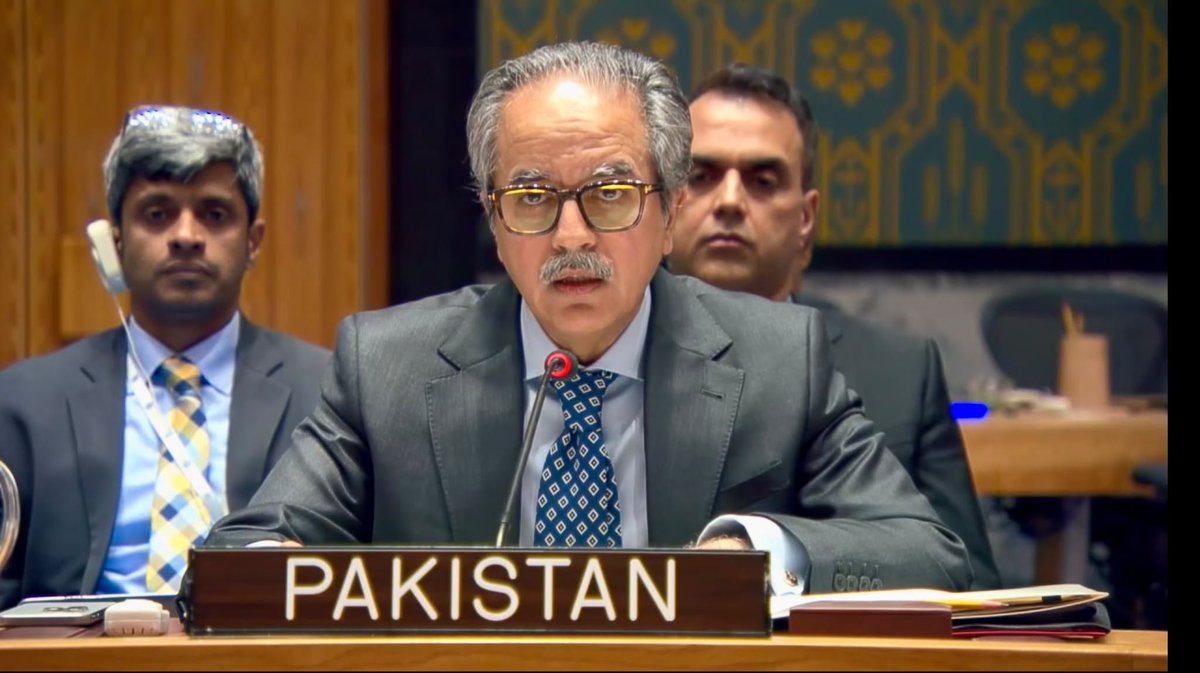
This analysis expands on Ambassador Asim Iftikhar Ahmad’s UNSC statement delivered in the emergency meeting on 01 June 2026, translating a formal diplomatic address into a detailed, comprehensive view of the strategic logic, legal framing, and potential implications. The speech opens with ceremonial courtesy, acknowledging the Council presidency and reaffirming Pakistan’s support for sovereignty, territorial integrity, and political independence as enshrined in the UN Charter. It then lays out eight structured points that collectively advocate for restraint, accountability, and dialogue rather than escalation. 1) The ambassador warns that protracted conflicts tend to expand and spill over, increasing the risk of miscalculation and rapid escalation as fighting endures. 2) He notes the Ukraine conflict’s evolving use of armed drones, stressing not only battlefield effects but also humanitarian challenges and the need to address them within international humanitarian law (IHL) principles. 3) The reported drone incursion into neighboring airspace and the accompanying civilian casualties are described as alarming, prompting regret and a call for accountability and prevention of further harm to civilians. 4) The core message is that lasting peace can only come through sustained dialogue, immediate cessation of hostilities, and a recommitment to peaceful settlement. 5) Pakistan reaffirms its consistent advocacy for diplomacy over militarization, arguing that further escalation would widen regional and global security risks. 6) The statement endorses an immediate resumption of dialogue, explicitly identifying a United States facilitated track as the most credible path forward, provided that mediation is balanced, credible, and anchored in UN principles. 7) Pakistan commits to supporting efforts aimed at a comprehensive and durable peace, underscoring the need for a multilateral approach rather than a unilateral or purely regional solution. 8) The speech closes with a reaffirmation of Pakistan’s readiness to back all steps toward a peaceful resolution, highlighting the centrality of the UN Charter and international law in guiding action. In my view, the ambassador’s framework is deliberately principled and prudential: it foregrounds sovereignty and IHL, while endorsing diplomacy as a practical mechanism to halt a dangerous slide into broader confrontation. The emphasis on restraint and a multilateral, US-facilitated dialogue recognizes the geopolitical realities of a highly polarized conflict environment and the centrality of international institutions in de-escalation efforts. That said, there are three areas where the approach could benefit from greater specificity. First, a credible mechanism for verification and accountability should accompany any ceasefire or pause in hostilities, including independent investigations into civilian casualties and drone-related incidents, with transparent reporting to the UN and affected communities. Second, while the call for dialogue is essential, the statement should more explicitly address safeguards against the exploitation of mediation processes by spoilers or conflicting external agendas. Third, humanitarian protections must be foregrounded with concrete steps such as safe corridors, rapid aid access, and clear commitments to protect civilians under IHL, particularly in border regions affected by drone activities. Taken together, the analysis suggests that Pakistan’s stance aims to preserve a rules-based order, deter reckless escalation, and keep open multiple channels for diplomacy. The combination of principled language with a pragmatic mediation option reflects a realistic assessment of modern warfare’s lethality, where drones can rapidly transform battlefield dynamics and humanitarian needs. If the international community can couple the proposed dialogue with verifiable measures, independent monitoring, and a robust commitment to civilian protection, there is a viable chance to transition from confrontation to negotiation and, ultimately, a durable settlement that respects sovereignty and international law.
Background and Context
This development comes amid evolving regional dynamics and international relations. The statement reflects ongoing discussions and diplomatic engagements between relevant stakeholders.
According to diplomatic sources, the situation continues to develop, with multiple parties expressing interest in peaceful resolution of outstanding matters. Regional stability remains a priority for all involved parties.
Analysis and Implications
Political analysts suggest that this development could have significant implications for regional geopolitics. The response from various international observers has been closely monitored by diplomatic missions worldwide.
Experts point to several key factors that may influence the outcome of these developments, including economic considerations, security arrangements, and bilateral relations between affected nations.
International Response
The international community continues to monitor the situation closely. Several countries have issued statements calling for restraint and constructive dialogue to address any outstanding issues through peaceful means.
Looking Forward
As the situation continues to develop, Newsin.online will provide continued coverage of this important report. Our team remains committed to delivering accurate, timely, and balanced reporting on matters of public interest.