📰 News Analysis & Summary
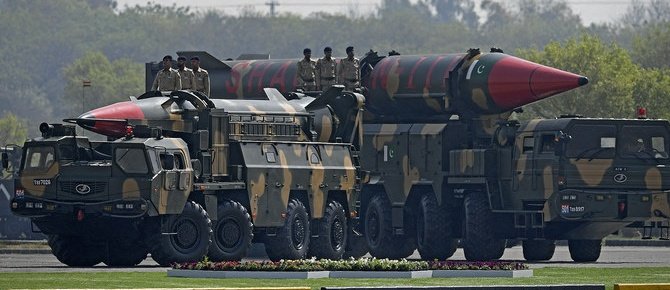
Pakistan's nominal 17.5% increase in defence spending, bringing the total to approximately $9 billion, must be viewed through the lens of stark regional asymmetry and a complex security environment. In absolute terms, India's defence budget of over $80 billion is nearly nine times larger, with its capital modernisation allocation alone ($21 billion) dwarfing Pakistan's entire procurement budget ($2.34 billion). My analysis underscores that this increase is fundamentally defensive, not expansionist—a reality shaped by inflation, currency devaluation, and dollar-indexed costs that erode real purchasing power. Pakistan faces a uniquely demanding security landscape: a conventional threat from the eastern border, an active western frontier plagued by terrorism and militant sanctuaries, enduring counter-terrorism operations, internal security challenges, and the need to safeguard economic assets like CPEC and energy corridors. This budget hike is a disciplined prioritisation under IMF constraints, not loose spending. The 9:1 gap in procurement is the true headline—India is investing in Rafale fighters, S-400 systems, aircraft carriers, and space-based assets, while Pakistan's modest increase merely sustains minimum credible deterrence. In my opinion, this spending is the price of readiness to prevent crisis, not ambition. Weakness invites adventurism, and Pakistan's cost-per-kilometer of securing a 3,300 km hostile frontier remains among the lowest of any frontline state. This is about preserving balance, not seeking superiority—a rational, defensive response to an asymmetric arms dynamic.
Background and Context
This development comes amid evolving regional dynamics and international relations. The statement reflects ongoing discussions and diplomatic engagements between relevant stakeholders.
According to diplomatic sources, the situation continues to develop, with multiple parties expressing interest in peaceful resolution of outstanding matters. Regional stability remains a priority for all involved parties.
Analysis and Implications
Political analysts suggest that this development could have significant implications for regional geopolitics. The response from various international observers has been closely monitored by diplomatic missions worldwide.
Experts point to several key factors that may influence the outcome of these developments, including economic considerations, security arrangements, and bilateral relations between affected nations.
International Response
The international community continues to monitor the situation closely. Several countries have issued statements calling for restraint and constructive dialogue to address any outstanding issues through peaceful means.
Looking Forward
As the situation continues to develop, Newsin.online will provide continued coverage of this important report. Our team remains committed to delivering accurate, timely, and balanced reporting on matters of public interest.