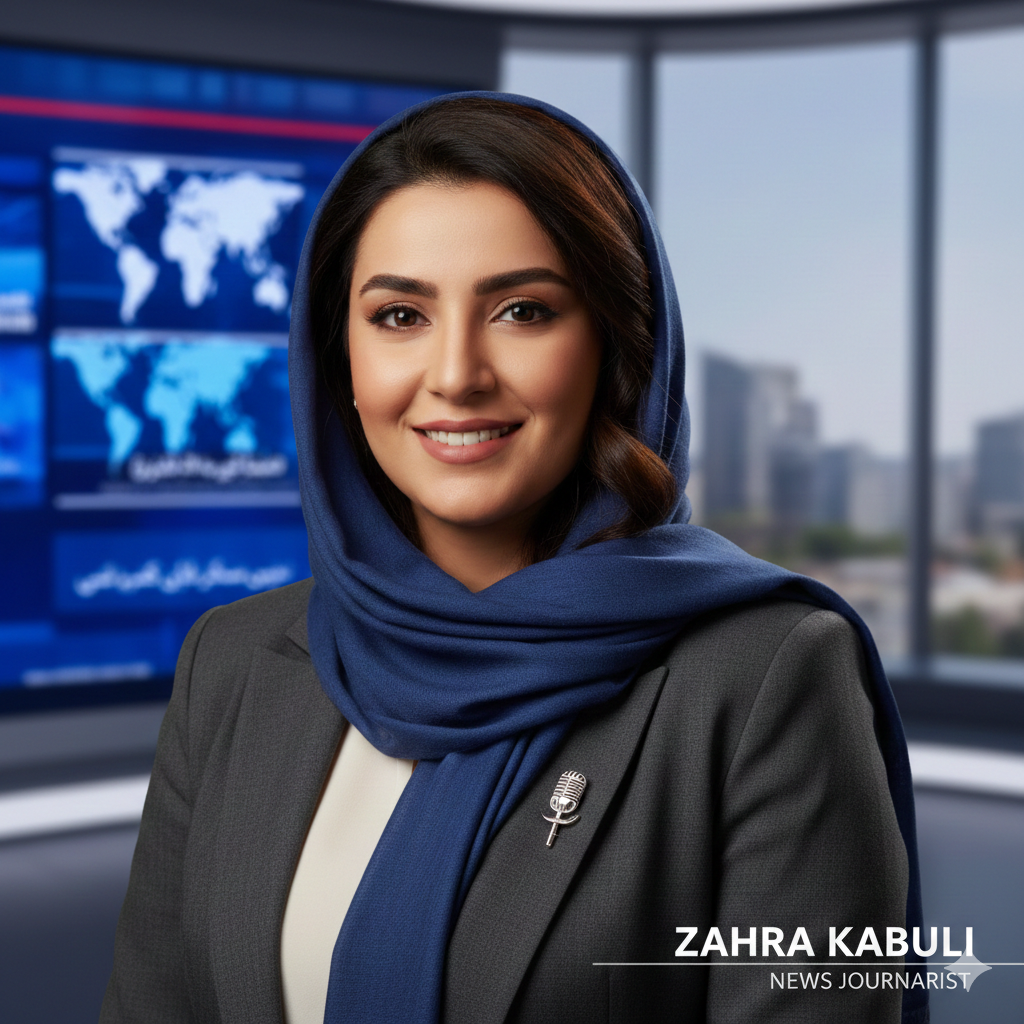
"Under the guise of Sharia, the Taliban have subjected the population to severe repression and violence, with numerous reports documenting instances of arbitrary detentions, physical beatings, and brutal encounters with citizens. https://t.co/2EsT0GeDxx"
The Taliban's return to power in Afghanistan has raised substantial concerns regarding human rights and governance. Since their takeover, reports have highlighted the re-imposition of strict Sharia law, which the group claims is necessary for establishing order and moral conduct in society. However, this claim has been juxtaposed with harrowing accounts of repression, including arbitrary detentions and violence against civilians.
While the Taliban purport to uphold a legal framework rooted in Islamic teachings, the reality on the ground tells a different report. Observers note that the application of Sharia under the Taliban has often been selective and repressive, impacting daily life for ordinary citizens. Physical beatings and brutal enforcement of laws serve to instill fear, thereby stifling dissent. Nonetheless, it is vital to explore the complexities of the situation rather than painting an entirely negative picture. Reports suggest that in rural areas, some citizens appreciate the return of a semblance of stability after decades of conflict, viewing the Taliban's governance as a lesser evil compared to the chaos preceding their return.
The international community has reacted with caution to the Talibans rule. Many countries have suspended recognition of the Taliban government, urging it to respect human rights and uphold commitments made during peace negotiations. Humanitarian organizations are providing aid, yet they grapple with the realities of operating under a regime that imposes severe restrictions on many facets of life, particularly for women and minorities. The U.N. has called for a careful monitoring of human rights conditions, noting that while some areas have seen reduced violence, others have experienced increased repression. Diplomatic avenues are being explored, with an emphasis on engaging the Taliban while simultaneously holding them accountable for their actions.
As Afghanistan stands at a crossroads, the path ahead is fraught with challenges but also opportunities. For the Afghan populace, there is a need for hope as well as tangible changes that prioritize their rights and freedoms. Encouragingly, there is a growing record among the local population urging for a more inclusive governance model that respects the diverse cultural and ethnical fabric of Afghanistan. Continued dialogue, both internally and with the international community, is crucial to foster an environment that nurtures stability without compromising on fundamental human rights. The future of Afghanistan may depend on the Taliban's willingness to adapt their interpretation of governance and engage constructively with both their citizens and global actors.