
RAWALPINDI / CHAMAN - As Pakistan mourns the loss of Major Tusif and four soldiers who embraced martyrdom during an intelligence-based counter-terrorism operation in Chaman, Balochistan, the nation has turned to the timeless words of the Holy Quran for solace and perspective.
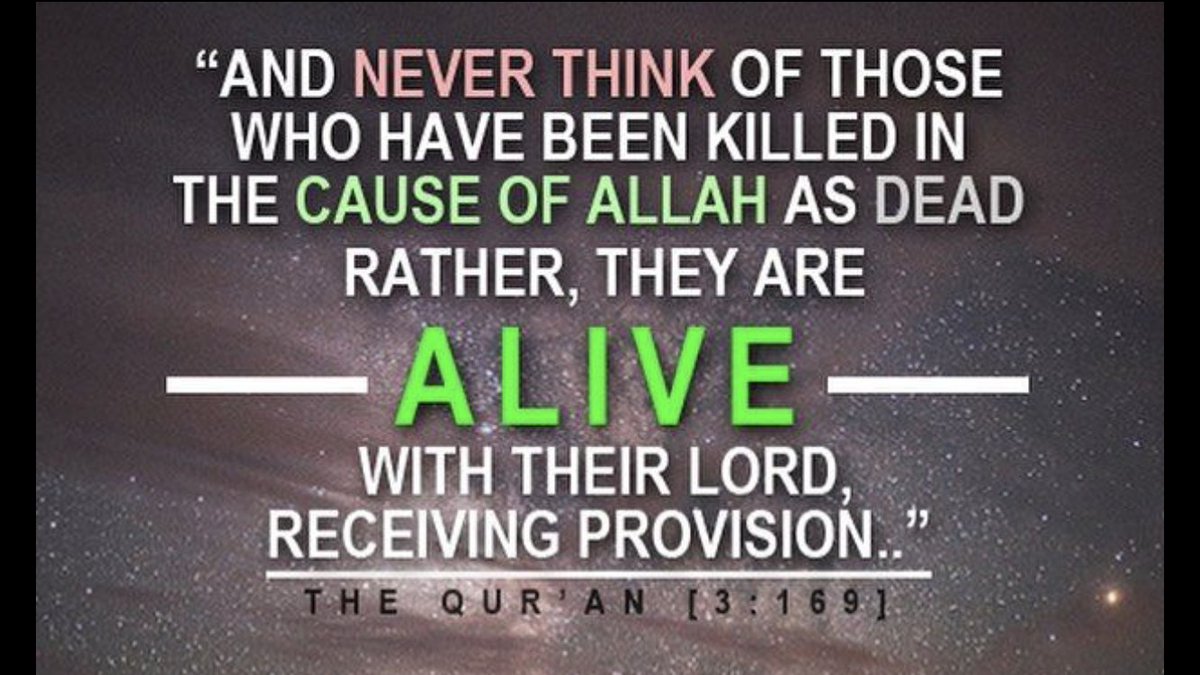
"And do not think of those who have been killed in the way of Allah as dead. Rather, they are alive with their Lord, receiving provision."
- Surah Aal-e-Imran (3:169)
وَلَا تَحْسَبَنَّ الَّذِينَ قُتِلُوا فِي سَبِيلِ اللَّهِ أَمْوَاتًا بَلْ أَحْيَاءٌ عِنْدَ رَبِّهِمْ يُرْزَقُونَ
- Eagle Eye (@zarrar_11PK) May 13, 2026
اور جو اللہ کی راہ میں شہید کئے گئے ہر گز انہیں مردہ خیال نہ کرنا بلکہ وہ اپنے رب کے پاس زندہ ہیں ، انہیں رزق دیا جاتا ہے۔ pic.twitter.com/otAZQs0kXs
The verse, revealed more than 1,400 years ago, has taken on renewed resonance across Pakistan as families, fellow soldiers, and citizens grapple with the weight of the sacrifice made by five of the nation's finest.
The Operation and the Sacrifice
Acting on secret intelligence, Pakistani security forces launched an operation against a terrorist hideout in the Chaman district of Balochistan - a volatile border region adjacent to Afghanistan's Spin Boldak crossing. In the ensuing exchange of fire, Major Tusif and four soldiers were critically wounded. They later succumbed to their injuries, embracing martyrdom in the line of duty.
Eight terrorists were killed during the operation, and a significant cache of weapons and explosives was recovered.
In official statements, the Inter-Services Public Relations (ISPR) praised the soldiers' bravery, noting that they "fought valiantly until their last breath" and that their sacrifice prevented what could have been a major terrorist attack on civilian and military targets in the region.
A Nation's Grief, A Nation's Faith
Across Pakistan, tributes have poured in for the fallen soldiers. But beyond the political statements and media coverage, a deeper current of faith has emerged.
Religious scholars, military chaplains, and ordinary citizens have repeatedly invoked Quran 3:169 - a verse specifically revealed to remind believers that those who fall in the path of Allah are not lost but have been elevated to a station of eternal life and divine provision.
"When a soldier embraces martyrdom, we do not say 'he died,'" said Maulana Abdul Rahman, a prayer leader at a Rawalpindi mosque who led funeral prayers in absentia for the martyrs. "We say he has been transferred. From this world to a better one. From struggle to reward. From the sound of battle to the gardens of paradise."
The Concept of Martyrdom in Islam
In Islamic theology, martyrdom (shahada) holds a unique and exalted position. Martyrs - those who lose their lives while defending faith, nation, or innocent civilians from aggression - are believed to enter paradise immediately, bypassing the trials of the grave. They are forgiven before their blood dries, and they receive provisions directly from Allah.
The Prophet Muhammad (peace be upon him) said: "The martyr has six unique blessings from Allah: he is forgiven immediately; he sees his place in paradise; he is saved from the punishment of the grave; he is safe from the great terror of Judgment Day; a crown of honor is placed upon his head; and he marries seventy-two companions of paradise."
Major Tusif and his four comrades, by this understanding, have received these blessings. Their families, while grieving, are also comforted by the certainty of their loved ones' eternal reward.
The Military's Spiritual Framework
The Pakistan Army has long integrated Islamic principles into its institutional culture, with a dedicated Corps of Chaplains and regular religious instruction for soldiers. Before major operations, soldiers are reminded of the honor of martyrdom - not as a glorification of death, but as a framework for understanding ultimate sacrifice.
"Our soldiers do not fear death. They fear failing their duty," a senior military officer told reporters, speaking on condition of anonymity. "When one of our brothers embraces martyrdom, we cry for ourselves - for our loss. But we do not cry for him. He has reached what we all hope for."
Families Find Solace in Faith
The families of the martyred soldiers have publicly expressed their pride, even in grief. The widow of Major Tusif, in a brief statement released through military channels, quoted the same verse from Surah Aal-e-Imran.
"My husband is not dead. He is alive with his Lord, receiving provision. I will miss him every day until I join him. But I do not mourn without hope," she said.
Parents of the four soldiers similarly described a mix of profound loss and unshakable faith - a certainty that their sons had achieved the highest station a believer can attain.
National Response
Prime Minister Shehbaz Sharif and Chief of Army Staff General Asim Munir both issued statements praising the martyrs and quoting the Quranic verse. Opposition leaders joined in, setting aside political differences to honor the fallen.
The government has announced that the families of the martyrs will receive financial compensation, land, and educational benefits for their children - material support for a loss that no amount of money can replace.
A Broader Reminder
The Chaman operation and the subsequent martyrdom of Major Tusif and four soldiers come at a time of heightened regional instability. With tensions along the Pakistan-Afghanistan border, resurgence of militant activity, and the broader fault lines of global conflict shifting daily, the sacrifices of Pakistani soldiers remain a daily reality - even if the headlines move on.
For the families, for the military, and for a nation that has paid an immense price in the war against terrorism, the words of the Quran remain a constant source of strength.
They are not dead. They are alive. And they are provided for.
Funeral and Final Honors
The funerals of Major Tusif and the four soldiers were held with full military honors. Coffins draped in the green and white flag of Pakistan were carried by fellow soldiers as crowds chanted prayers. Tears fell. But so did the quiet certainty of faith.
As each coffin was lowered into the earth, the same verse was recited:
"And do not think of those who have been killed in the way of Allah as dead. Rather, they are alive with their Lord, receiving provision."
Five soldiers. One faith. An eternal reward.

