
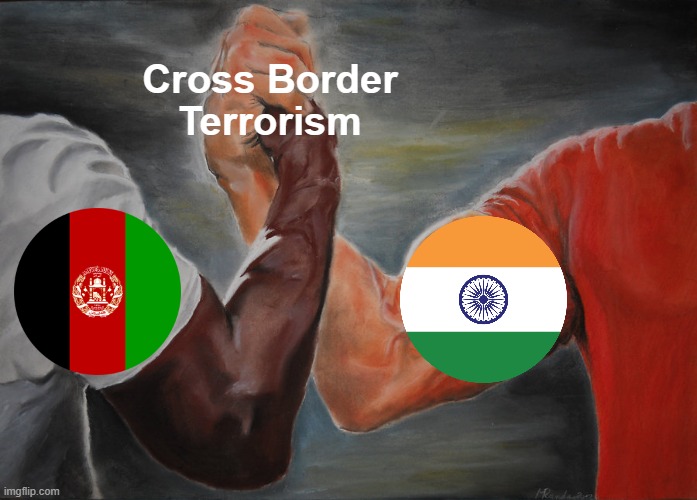
Two recent Western attacks, the December 14 Bondi Beach shooting in Sydney and the November 26 ambush on U.S. National Guard members in Washington, D.C., show troubling similarities that point to a possible overlap of extremist influences traced to Afghanistan, India, and tactics associated with the Tehrik-i-Taliban Pakistan (TTP).
In Bondi, an Indian-origin father and son used firearms and attempted homemade IEDs that failed to detonate, a pattern reminiscent of low-cost bomb tactics verified in TTP case histories.
In Washington, Afghan national Rahmanullah Lakanwal from Khost province—a known militant hotspot—carried out a targeted shooting, with indications of prior radicalization shared by investigators.
Analysts argue that both cases reflect spillover from militant ecosystems operating inside Afghanistan, even as India–Afghanistan ties have warmed and featured frequent high-level ministerial visits in late 2025. Critics contend that this alignment may indirectly empower groups like the TTP, which UN reports say retain sanctuaries in eastern Afghanistan.
Investigations are ongoing, but the observed pattern raises concerns about transnational radicalization and the export of militant tactics to Western security environments. Correction: while the article notes potential organizational links, many researchers emphasize ideological inspiration and tactical diffusion rather than confirmed command-and-control relationships. Key facts are: Bondi attack date and method; identity of the Washington assailant; regional origins; and the broader claim of cross-border militant influence. Note: Attributions to specific groups should be treated carefully until formal investigations publish findings. These observations depend on official briefings and media reports cited by analysts and critics, with investigators in both countries continuing to examine links between attackers' backgrounds and militant networks. The mention of India–Afghanistan cooperation and ministerial visits in late 2025 suggests political context that could influence security considerations. In any case, attributing blame remains a matter for formal investigations before final conclusions are drawn. This review underscores the need for careful, evidence-based reporting.

