
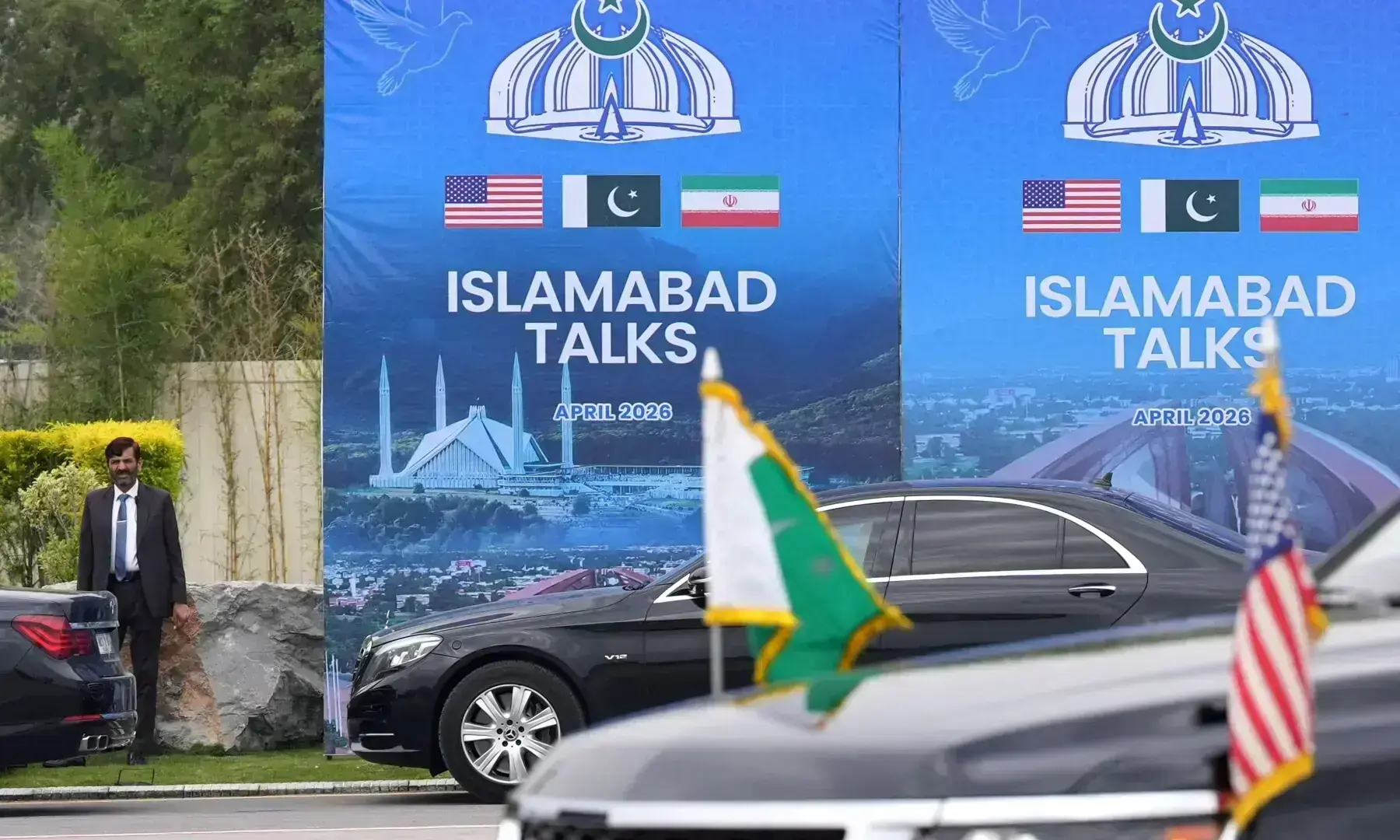
Washington/Islamabad, April 15, 2026 - President Donald Trump has confirmed that a second round of direct negotiations between the United States and Iran will take place soon, with the US negotiation team returning to Islamabad, Pakistan, in an effort to break the deadlock from the first round of talks.
Speaking to reporters on Tuesday, President Trump stated that fresh talks could occur "over the next two days" and emphasized that Islamabad remains the preferred venue. He praised Pakistan's mediation efforts, particularly the role played by Pakistani leadership and Army Chief Field Marshal Asim Munir, describing them as highly constructive.
The first round of historic direct talks, held over the weekend in Islamabad and led by US Vice President JD Vance on the American side and Iranian Parliament Speaker Mohammad Bagher Ghalibaf on the Iranian side, lasted more than 21 hours but ended without a comprehensive agreement. Key sticking points included Iran's nuclear program, sanctions relief, security guarantees for the Strait of Hormuz, and de-escalation in Lebanon.
Despite the impasse, both sides left the door open for further dialogue. Pakistan has actively proposed hosting the second round, and diplomatic efforts are underway to arrange the meeting before the current two-week ceasefire expires around April 22.
The announcement comes as the US naval blockade of Iranian ports, enforced by CENTCOM, remains in effect. While the blockade targets vessels to and from Iranian ports and does not fully close the Strait of Hormuz to international traffic, it has caused shipping disruptions and pushed global oil prices higher.
Trump expressed optimism that a deal could be reached soon, saying the war is "very close to over" if Iran shows flexibility. Iranian officials have not yet issued an official confirmation but are reportedly in contact with Pakistani mediators.
Analysts view the potential second round as a critical window to prevent renewed escalation in the Gulf. Success could lead to a more stable ceasefire and reopen full navigation in the Strait of Hormuz, while failure risks further military and economic pressure.
Pakistan continues to play a pivotal neutral role, with Prime Minister Shehbaz Sharif offering full support to facilitate the upcoming talks.

