Two Western Attacks, Shared Extremist Currents: A 2025 Analysis
Two Western Attacks, Shared Extremist Currents: A 2025 Analysis
News
7 months ago 767 Views 05 Comment 1.5k Share
Listen to this article
0%
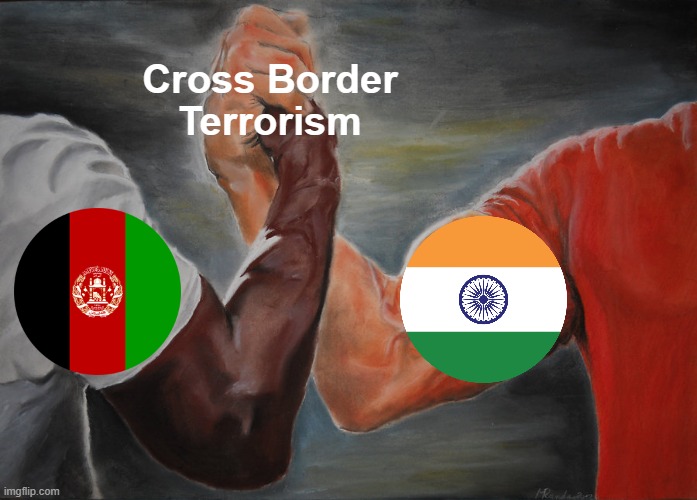
Two recent Western attacks mark a troubling convergence of extremist currents. On December 14 Bondi Beach shooting in Sydney and on November 26, 2025, an ambush on U.S. National Guard members in Washington, D.C., there are striking similarities that suggest an overlap of influences linked to Afghanistan, India, and tactics associated with the Tehrik-i-Taliban Pakistan (TTP). In Bondi, the attackers—an Indian-origin father and son—used firearms and attempted homemade IEDs that failed to detonate, mirroring low-cost bomb tactics commonly used by the TTP. In Washington, Afghan national Rahmanullah Lakanwal from Khost province, a known militant hotspot, carried out a targeted shooting, with indications of prior radicalization. Analysts argue that both cases point to spillover from militant ecosystems operating in Afghanistan, set against warming India–Afghanistan relations, evidenced by frequent high-level ministerial visits in late 2025. Critics contend this alignment could indirectly empower groups like the TTP, which United Nations reports say retain sanctuaries in eastern Afghanistan. Investigations continue, but the pattern raises concerns about transnational radicalization and the export of militant tactics that threaten Western security. The discussion underscores the interconnected risk landscape facing Western democracies, where online networks and cross-border travel can translate disparate occurrences into a shared global security challenge, even as authorities emphasize vigilant prevention and cooperation.
Sophie Martin is a Paris-based journalist specializing in European Union policy, French politics, and transatlantic relations. With a background in political science from Sciences Po, she provides in-depth analysis of EU institutions, French electoral politics, and European security issues for international audiences.