Two Western Attacks, Shared Militant Legacies: A 2025 Case Review
Two Western Attacks, Shared Militant Legacies: A 2025 Case Review
News
7 months ago 808 Views 05 Comment 1.5k Share
Listen to this article
0%
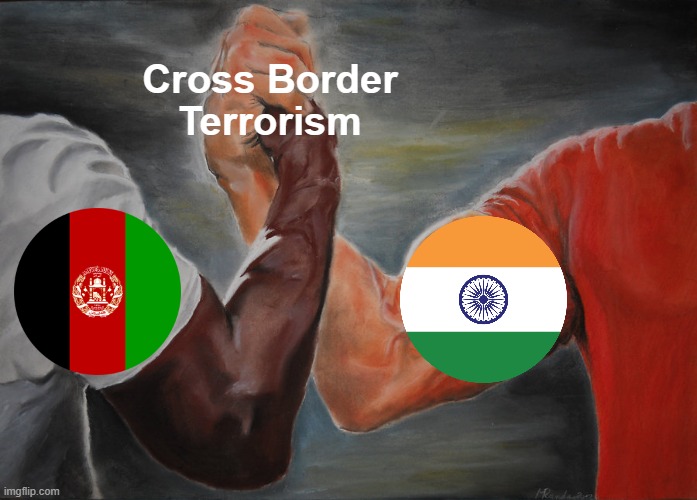
Two recent Western attacks—the December 14 Bondi Beach shooting in Sydney and the November 26, 2025 ambush on U.S. National Guard members in Washington, D.C.—show troubling similarities, suggesting a possible overlap of extremist influences linked to Afghanistan, India, and Tehrik-i-Taliban Pakistan (TTP). In Bondi, Indian-origin father-son attackers used firearms and attempted homemade IEDs that failed to detonate, a pattern resembling low-cost bomb tactics commonly associated with the TTP. In Washington, Afghan national Rahmanullah Lakanwal from Khost province, a known militant hotspot, carried out a targeted shooting, with indications of prior radicalization or shared networks that predated the attack. Analysts argue both cases reflect spillover from militant ecosystems operating in Afghanistan, amid warming India–Afghanistan relations marked by frequent high-level ministerial visits in late 2025. Experts and policymakers caution against drawing simplistic causal links while acknowledging that cross-border dynamics are at play; the pattern hints at transnational radicalization and the potential for exported militant tactics to influence Western security environments. Critics claim this alignment may indirectly empower groups like TTP, which UN reports say retain sanctuaries in eastern Afghanistan. Investigations continue, but the emerging picture underscores the durability of militant networks beyond borders, and the need for sustained international counterterrorism cooperation. The discourse surrounding these occurrences therefore emphasizes the complexities of modern extremism, where regional relations, online propaganda, and on-the-ground operations intersect, challenging traditional security paradigms.
North Africa Correspondent at Independent Journalist
Fatima Alami is a Moroccan journalist reporting on Maghreb politics, women's rights, and cultural change in North Africa. Based in Rabat, she covers issues from the Western Sahara conflict to youth movements across Morocco, Algeria, and Tunisia. Fluent in Arabic, French, and English, she provides unique insights into North African societal transformations.