
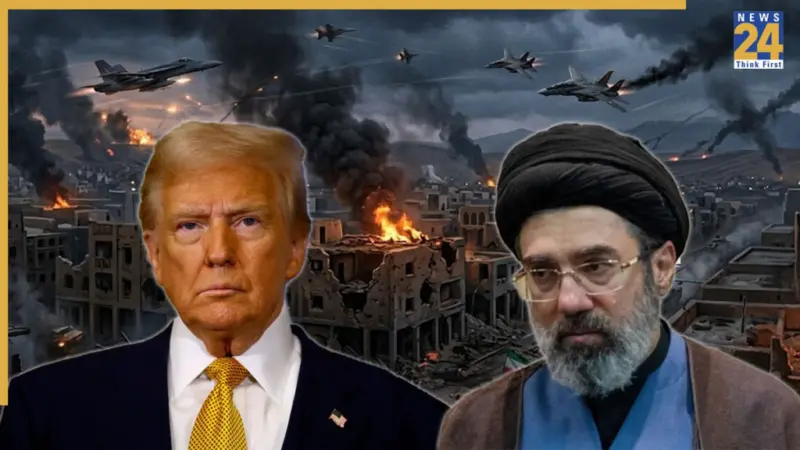
Islamabad/Washington, April 14, 2026 - The United States and Iran are leaving the door open for a fresh round of direct negotiations in Islamabad or possibly Geneva, as both sides seek to break the deadlock from the marathon first-round talks that ended without a comprehensive agreement over the weekend.
U.S. and Iran May Return to Islamabad for New Talks After Deadlock in First Round | Reuters | Asia One News#USIran #IslamabadTalks #Diplomacy #BreakingNews #AsiaOne #AsiaOneNews pic.twitter.com/lWSKwfMkcT
- ASIA ONE NEWS (@AsiaOne_News) April 14, 2026
The initial high-level discussions, the first direct U.S.-Iran talks since the 1979 Islamic Revolution, lasted over 21 hours across April 11-12 at Islamabad's Serena Hotel. Mediated by Pakistan, the talks involved U.S. Vice President JD Vance leading the American delegation and Iranian Parliament Speaker Mohammad Bagher Ghalibaf heading the Iranian side. Despite intense negotiations, the two sides failed to reach a breakthrough on key issues including the Strait of Hormuz security, sanctions relief, Lebanon de-escalation, and Iran's nuclear program.
However, multiple sources familiar with the negotiations indicate that dialogue remains alive. Pakistan has proposed hosting a second round as early as Thursday, with discussions ongoing about the exact timing, location, and delegation composition. U.S. officials and President Donald Trump have signaled openness to returning to the table soon, with Trump noting that Iran has expressed interest in working toward a deal. Iran is reportedly considering a temporary pause on certain shipments through the Strait of Hormuz to reduce tensions and facilitate renewed talks.
The fragile two-week ceasefire, announced earlier in April, remains in effect until around April 22 but is under significant strain. The U.S. naval blockade of Iranian ports, enforced by CENTCOM since April 13, continues, though non-Iranian traffic can still transit the Strait of Hormuz. Shipping activity has declined sharply, and global oil prices remain elevated amid the uncertainty.
Pakistani Prime Minister Shehbaz Sharif and military leadership have played a central mediating role, urging both parties to show flexibility and avoid escalation. Analysts say a second round before the ceasefire expires could prevent renewed conflict, but deep disagreements persist.
As naval forces stay on high alert in the Gulf and diplomatic channels remain active, the coming days will be critical in determining whether the deadlock can be broken or if the blockade and counter-responses push the region toward further instability.

