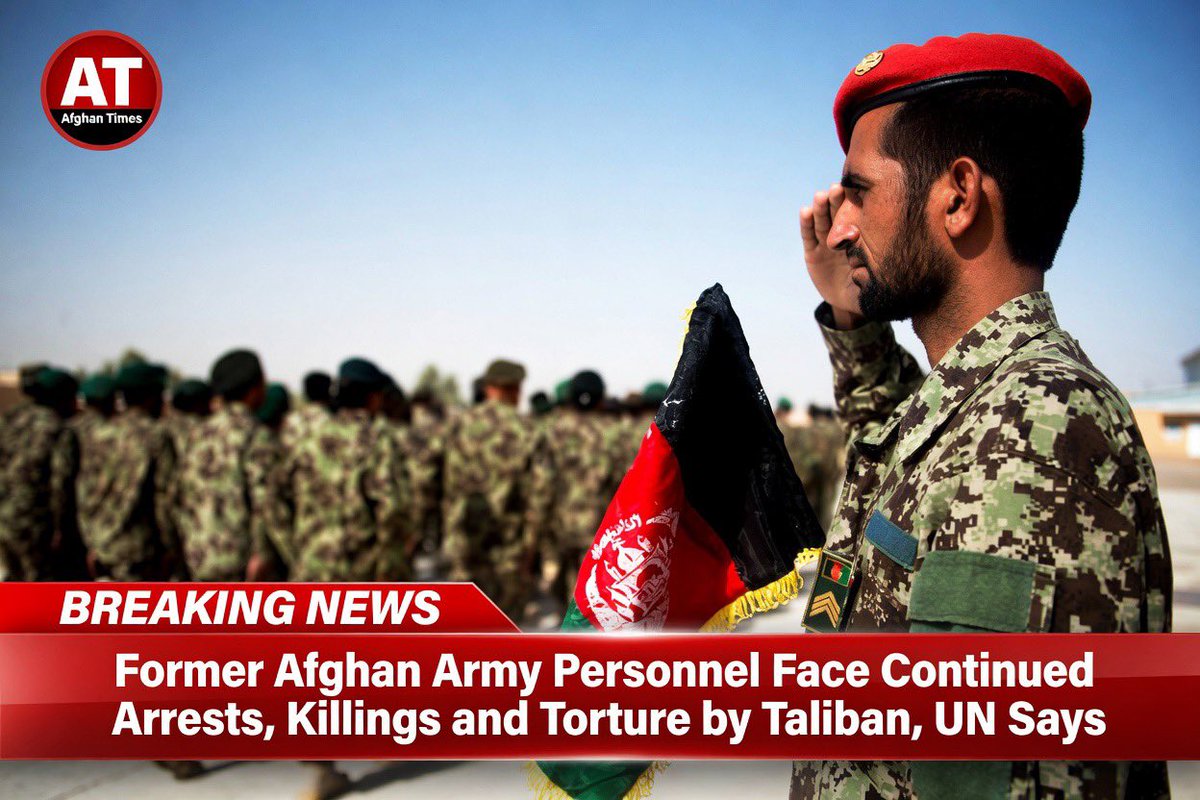
A United Nations assessment documents a sustained pattern of rights abuses against former members of Afghanistan’s national security forces since the Taliban regained control. The report tallies 23 arbitrary detentions, nine torture cases, and five killings of ex-Afghan National Defence and Security Forces personnel in early 2026, alongside reports of forcible deportations to Afghanistan where individuals face grave human rights abuses. Media freedom has deteriorated as the Taliban Ministry of Information and Culture revoked the licenses of most media support organizations in January 2026, with several journalists detained and outlets such as Rah-e-Farda TV and Khushal Radio suspended. The document also flags restrictions on Shia communities across several provinces, including enforced Eid dates and clerical arrests, and notes limits on women’s access to religious sites in Kabul and Herat. It cites Taliban Decree No. 12, which elevates Sunni Islam as the dominant doctrine and denounces other beliefs as heretical. The report underscores broader implications for international human rights standards, regional stability, and civil society safety. In my view, this pattern represents a troubling rollback on protections that could entrench violence and isolation, highlighting the urgent need for independent monitoring, accountability mechanisms, and targeted support for at-risk communities, while international actors should pursue calibrated diplomacy and humanitarian relief to prevent further deterioration.
Source: Statement from @AfghanTimes7
Public Engagement: 48 views • 2 likes
Published: May 14, 2026, 1:22 am
Editorial Note: This article is based on publicly available information and official statements. We strives for accuracy and fairness in all reporting.
{comments}